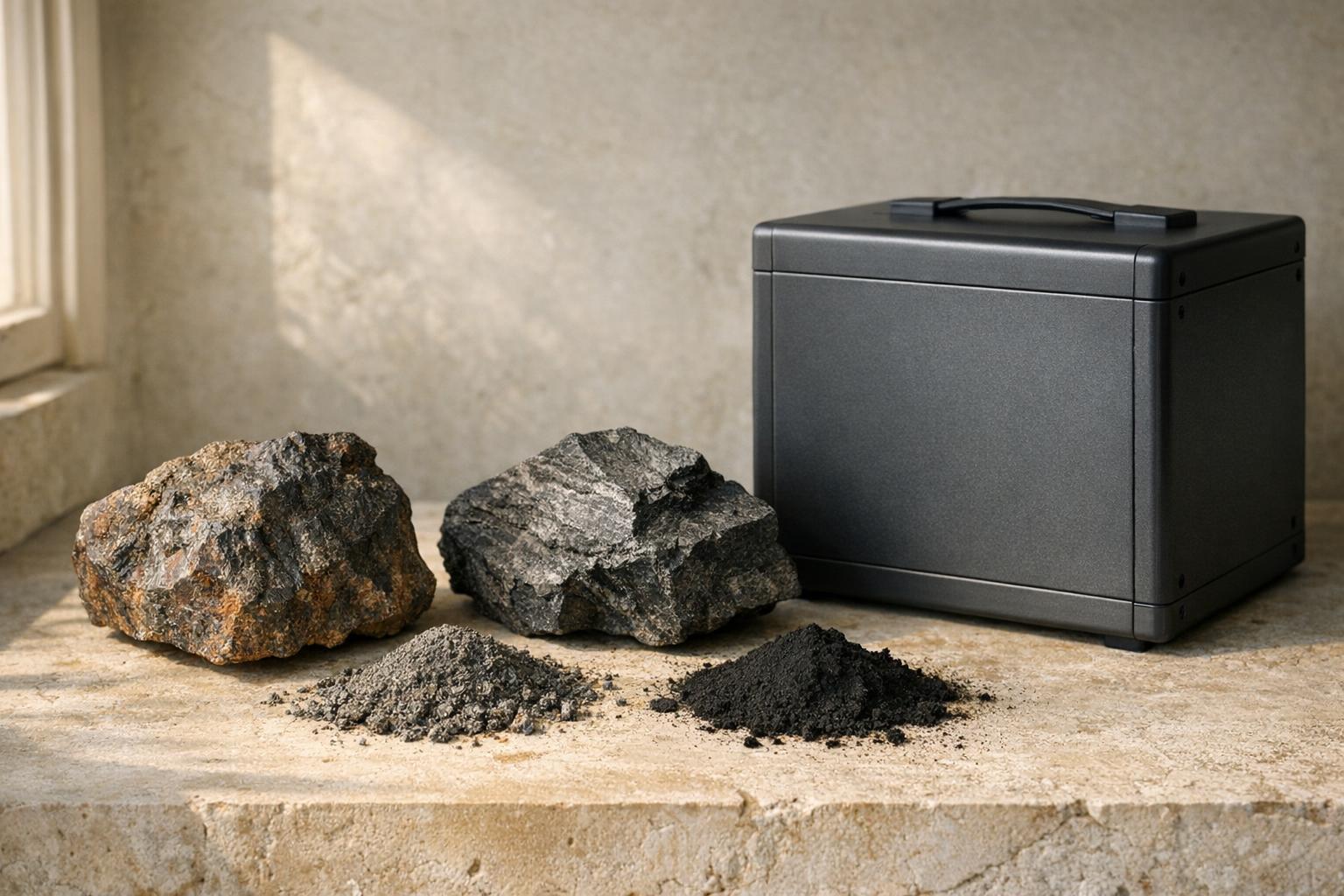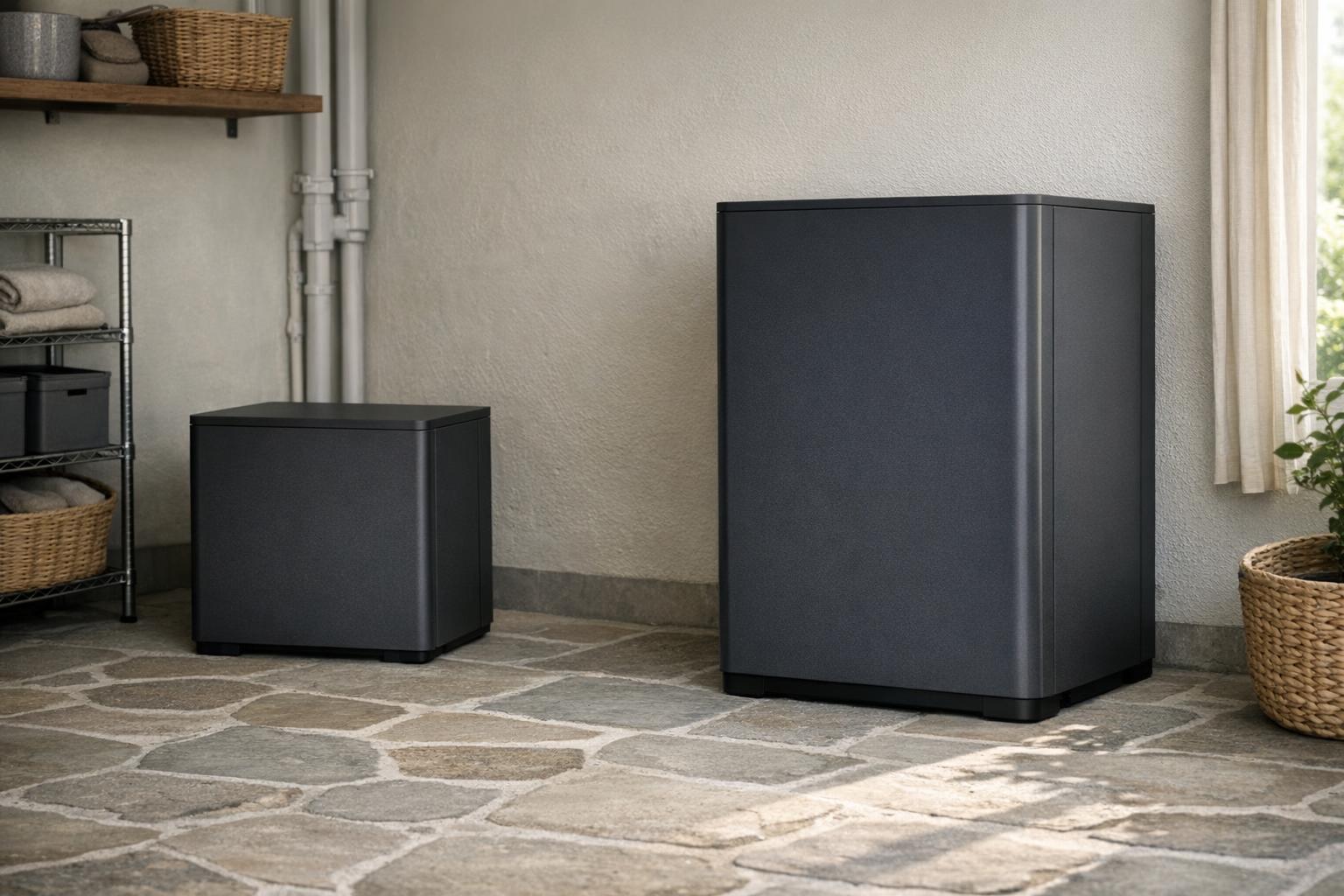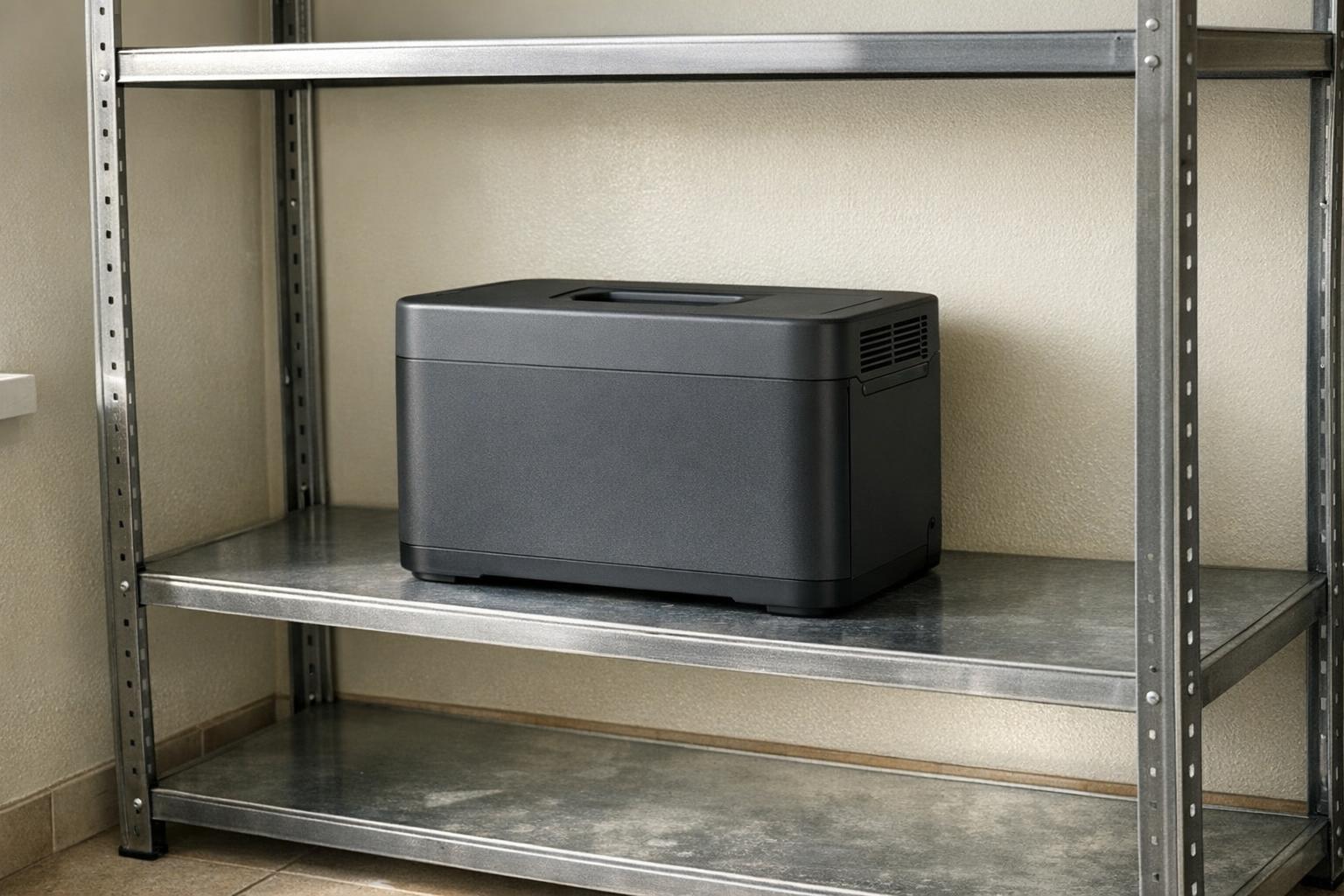
Store a portable power station according to its exact manual: permitted location, storage charge, maintenance interval, and temperature limits all matter. Do not adopt one percentage or seasonal routine for every battery. A useful storage plan also tells you when to inspect the unit and how to prepare it for an expected outage.
Distinguish storage from active standby
A station put away between trips is not necessarily in the same operating state as one supporting an approved automatic-backup setup. Identify which job you want it to do. Then read the manual sections for that mode rather than assuming a storage recommendation also describes continuous charging and load support.
EcoFlow's DELTA 3 Classic manual has separate storage instructions and UPS operating notes, including the need for enough grid input to maintain charge while supplying loads. If active standby is your goal, use the EPS versus UPS guide and verify that configuration independently. Do not leave a station connected indefinitely based only on the idea that it is ready for emergencies.[2]
Use the manufacturer's charge routine
As one model-specific example, the DELTA 3 Classic manual calls for charging and discharging once every three months for long-term storage: fully charge the unit, then discharge to 60% for storage. It also warns against leaving it uncharged or unused for more than six months. These are instructions for that product, not a universal lithium-battery prescription.[2]
Other equipment may specify a different routine. Record the exact instruction, model, and manual version you consulted, and set a reminder. If the manufacturer updates the guidance, keep the newer instructions with the equipment. Do not invent a universal storage percentage from the chemistry label; our battery chemistry guide explains why LFP does not identify the complete system.

Compare the different temperature specifications
Look for separate storage, charging, and discharging conditions. EcoFlow publishes these as separate fields. A temperature acceptable for storage does not automatically authorize charging there. If a garage or vehicle moves outside the permitted conditions, choose another location rather than relying on a protection circuit as a storage strategy.[2]
Pay attention to inconsistent wording within documentation. In the DELTA 3 Classic manual consulted for this guide, the storage prose recommends approximately 0°C to 30°C, while the technical table labels 20°C to 30°C as optimal. Both list a broader permitted storage range. Rather than turn that discrepancy into a universal target, use a suitable indoor environment within the overlapping guidance and ask the manufacturer if your intended location is marginal.[2]
Choose a stable, dry, accessible location
EcoFlow instructs users to keep the station in a dry, cool, well-ventilated area, secure against falling and away from water, heat sources, and flammable or explosive substances. Use those requirements to evaluate the actual shelf or room. Accessibility matters: you need to inspect the unit and retrieve it without moving unstable stacks of stored items.[2]
USFA specifically warns against direct sunlight and hot-car storage for lithium-ion batteries. A vehicle that was comfortable when parked is not a reliable substitute for checking the manufacturer's environmental requirements. Keep the storage plan separate from a convenient transport arrangement, especially between camping trips.[8]
Inspect before routine charging
Before each maintenance session, look over the case, ports, and approved cables. USFA says to stop using lithium-ion batteries if there is an odor, color or shape change, excessive heat, leakage, or odd noises. EcoFlow also prohibits use with damaged cords or output cables. Do not charge a suspect unit just to see whether the warning clears.[8][2]
Follow the manufacturer's service process rather than opening the enclosure or attempting a repair. If there is smoke, fire, or immediate danger, leave the area and contact emergency services; do not move or handle a failing battery. A maintenance checklist should make it easier to stop, not encourage you to finish a charging cycle despite warning signs.
Track accessories and extra batteries separately
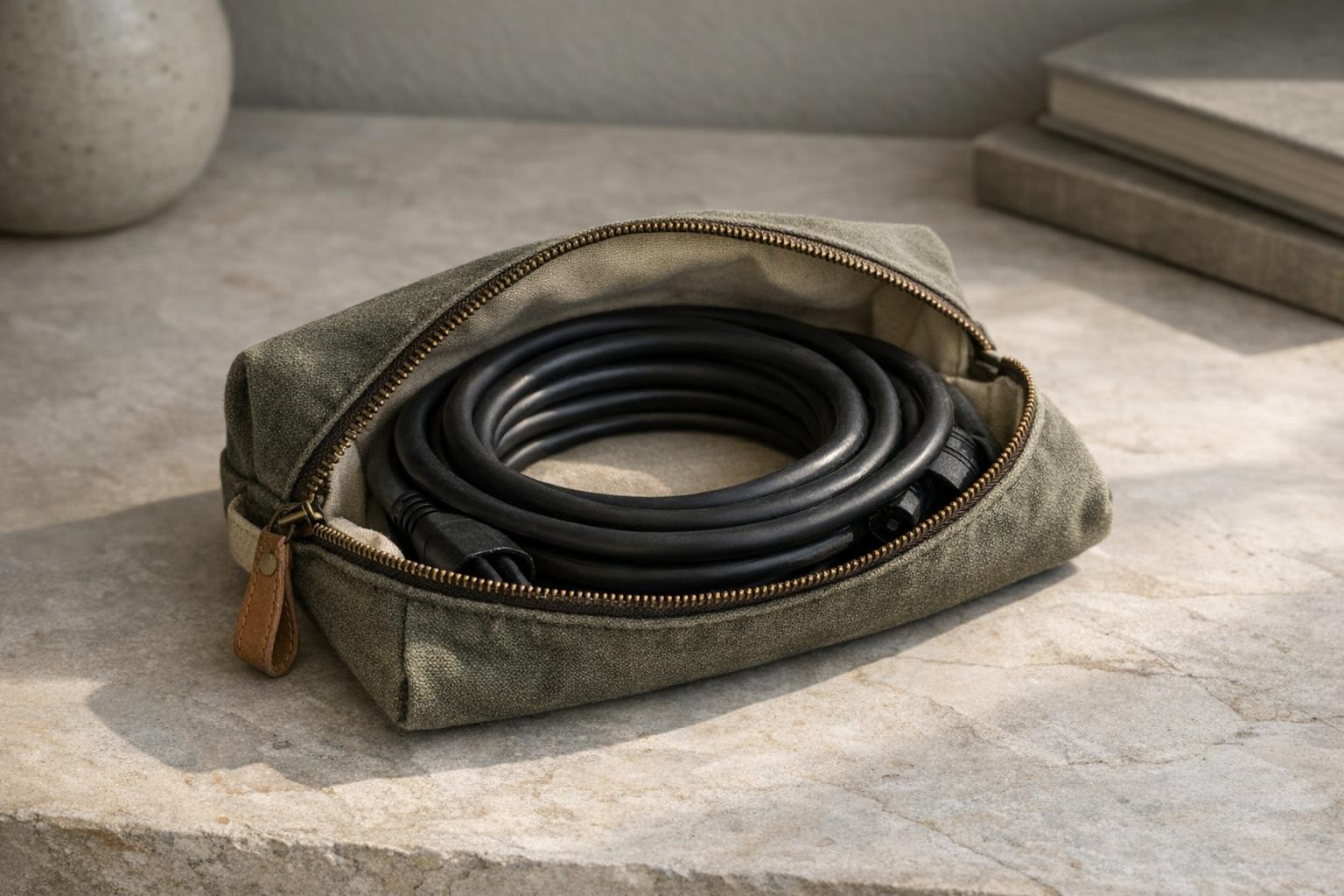
Keep approved charging equipment identifiable so it is not confused with a visually similar cable. Record which accessories belong to which station. EcoFlow warns against unofficial or unrecommended components; labeling the correct accessories is a practical way to avoid a hurried substitution later.[2]
If the system has an expansion battery, read its storage instructions as well as the host's. Do not infer that the two units share every requirement. Our expansion guide covers the model and cable checks that should remain attached to the system's paperwork. Store panels according to their own manual rather than treating them as another battery component.
Turn storage readiness into an outage routine
When an outage is forecast, follow the manufacturer-approved preparation routine and review the loads you intend to support. Confirm that cables and controls are available, then revisit your energy budget. A charge indicator does not confirm appliance compatibility or how long the load will run. The outage checklist covers those separate decisions.
After use, return the station to its documented storage state and update your reminder. Keep a simple log with inspection date, condition, maintenance performed, and next check. This is an organizational tool, not a prediction of battery life. If the unit is no longer safe or serviceable, follow local battery-recycling guidance and manufacturer instructions; USFA says lithium-ion batteries do not belong in ordinary trash.[8]
A good storage system is deliberately ordinary: a suitable location, a written model-specific routine, and a clear stop condition for damage. It should not depend on remembering a general rule from a product review months later.