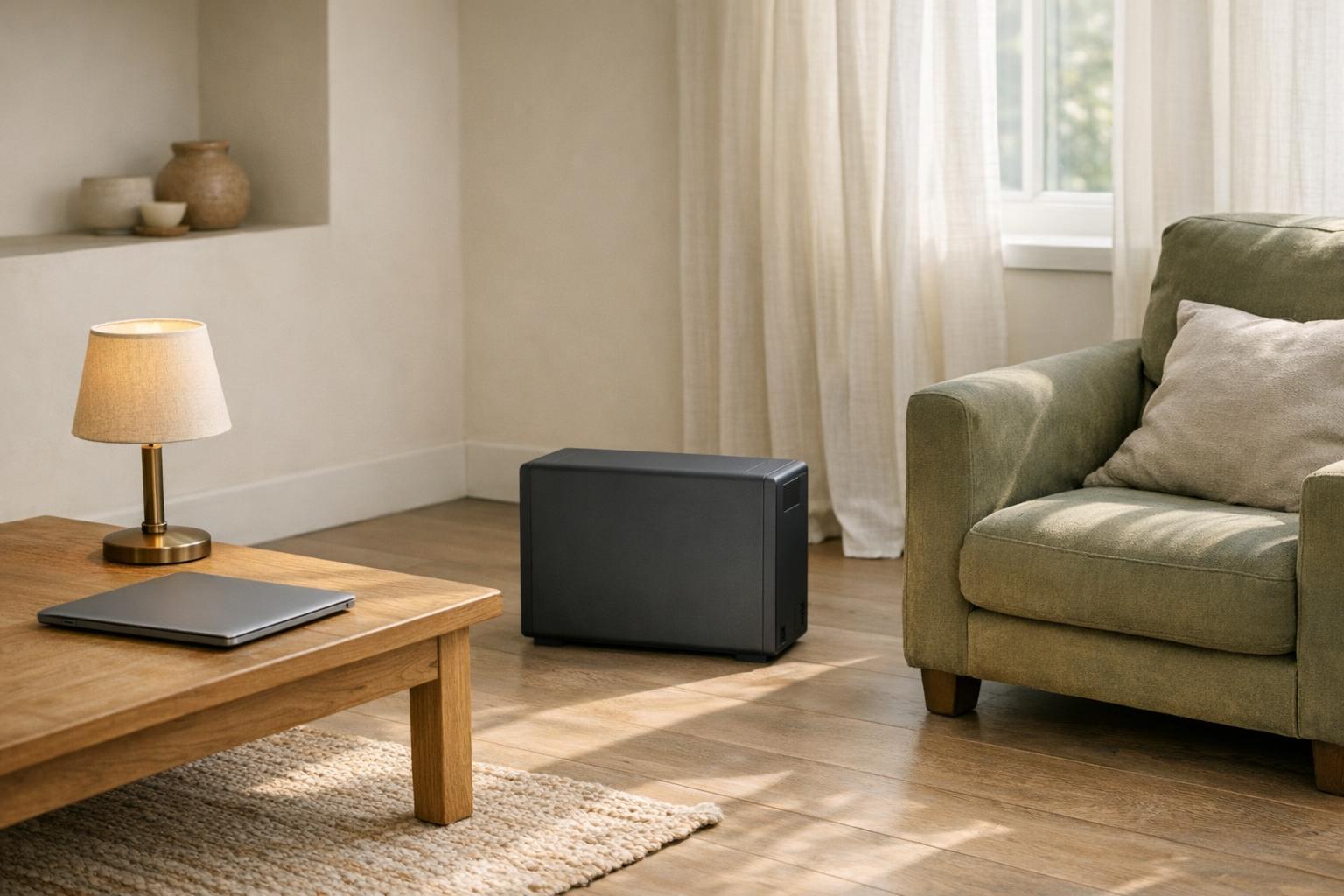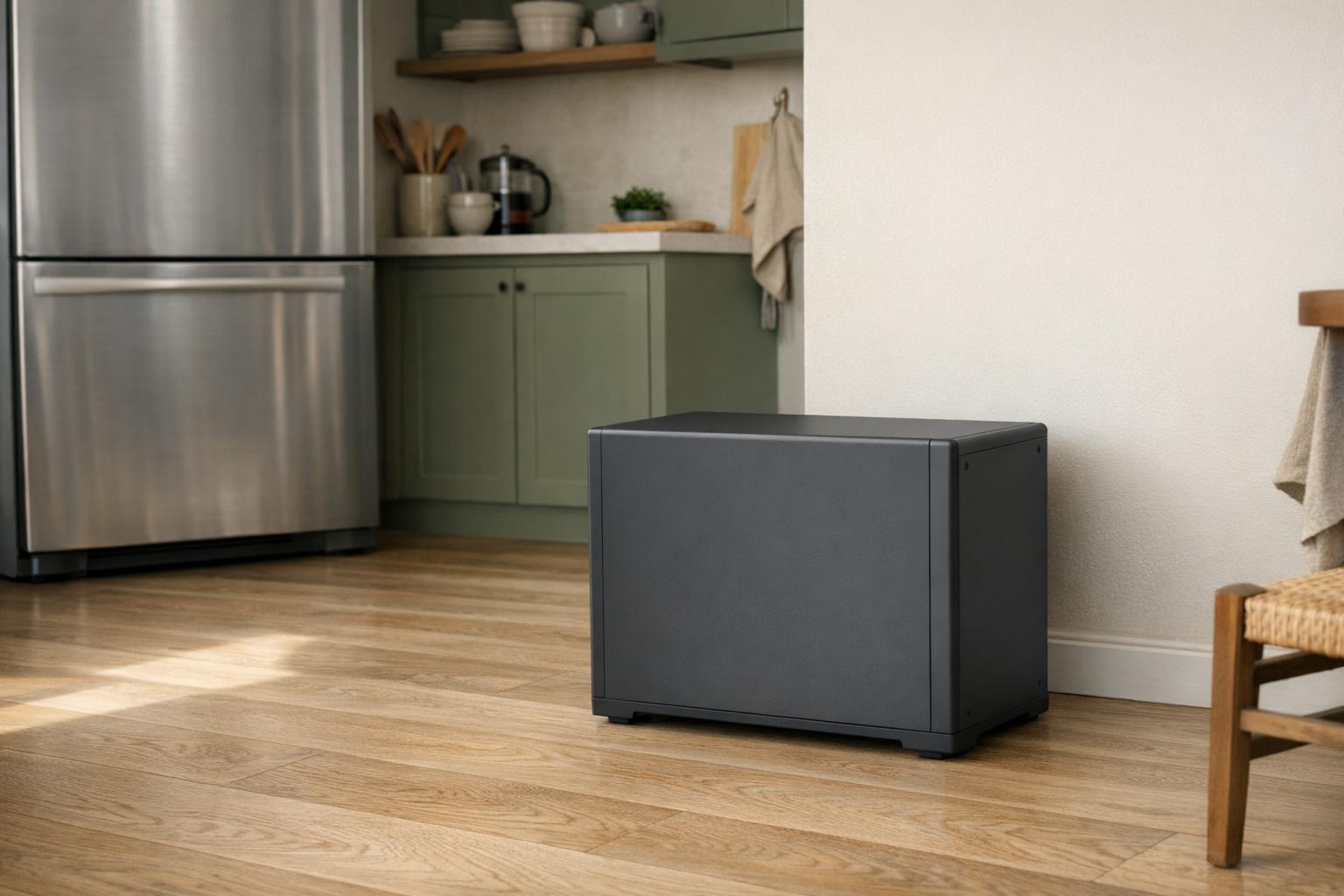
Watts answer how much power a device needs at a given moment. Watt-hours answer how much energy it uses over time. For a portable power station, check output in watts first, then estimate duration from watt-hours. Neither number can replace the other in a buying decision.
Two units, two questions
The U.S. Energy Information Administration defines watts as power at a specific moment and watt-hours as electricity used over a period. One watt-hour is the energy used by a one-watt load in one hour. A kilowatt-hour is the energy of one kilowatt for one hour. Those are units, not product classes or promises of battery performance.[1]
For an appliance, the immediate question is whether the source can power it. The second question is how long that source can continue. Start with those separate questions in our power station buying guide. A large energy number does not prove that the unit has the right outlet, output voltage, or continuous power for your appliance.
Calculate energy from a stated usage pattern
For a constant load, the relationship is simple: energy in Wh = power in W × time in hours. EIA illustrates it with a 40-watt light used for five hours, totaling 200 Wh. That example teaches the unit relationship; it is not a claim about the lights in your home.[1]
Here is a separate hypothetical planning exercise: assume a device draws a constant 50 W for four hours. Its energy demand would be 200 Wh. Write down both assumptions next to the result. If the device changes modes, sleeps, heats, or cycles, the constant-load assumption may no longer fit. Do not turn a maximum rating into a description of average everyday use.

Use a runtime formula, not a universal efficiency claim
A simplified planning formula is: estimated hours = rated battery Wh × assumed usable fraction ÷ average load W. The usable fraction is an explicit modeling assumption that stands in for energy not delivered to the load and energy deliberately held in reserve. It is not a test result, a manufacturer guarantee, or a fixed property shared by all power stations.
For illustration only, assume a 1,000 Wh battery, a 0.80 usable fraction, and a constant 100 W load. The calculation gives eight hours. Change any assumption and the answer changes. This example is not a refrigerator forecast or a specification for a listed product. If you have a documented delivered-energy measurement for your exact setup, use that instead of a generic assumed fraction.
Keep starting capability separate from daily energy
A daily energy budget cannot establish whether an appliance will start. Check the appliance's documented starting requirement and the station's normal and surge ratings independently. EcoFlow's DELTA 3 Classic specification separates its AC rated output from surge output, while the DELTA 3 manual specifically tells users to check instantaneous starting requirements for its vehicle-style DC output.[2][5]
A brief high demand and a long low demand are different constraints. Avoid choosing a universal multiplier for motors or compressors: seek the actual appliance requirements and a manufacturer-approved match. For refrigerators, our refrigerator backup guide explains why cycling behavior, startup, and low-load settings deserve separate checks.
Add devices without losing the schedule
Build two lists from the same inventory. One shows devices that may operate simultaneously, for checking output limits. The other shows energy over the planned period. A laptop charged during the afternoon and a lamp used in the evening may not overlap, but both belong in the energy budget. State whether your plan requires someone to manage that schedule.
Keep different ports visible instead of assuming every advertised watt can be routed anywhere. EcoFlow's RIVER 3 manual lists individual USB limits, an AC total, a DC output limit, and an overall output specification. This is a model-specific example of separate constraints; adding the numbers on a product page is not permission to exceed the manual's combination limits.[4]
Treat cycling and recharging as separate uncertainties
A refrigerator is an intermittent load in EcoFlow's own AC-timeout guidance. Dividing battery Wh by one observed refrigerator watt reading therefore may not represent elapsed runtime. Use the appliance's energy use across the period you care about, and still verify startup independently. A display is useful feedback, but the reading at one moment cannot describe every later operating state.[2]
Incoming energy also belongs in a separate ledger. Solar panel nameplate power is not a continuous energy credit: EcoFlow documents lower output under weaker sunlight and shading. Keep a no-solar baseline, then add only a clearly labeled recharge scenario. Our solar guide covers whether the hardware can work together before you estimate what it might harvest.[7]
What to write on your final worksheet
Record the source of each number: appliance documentation, your own measurement, or an assumption. Keep watts, watt-hours, and time in separate columns. Note starting requirements, essential reserve, and the proposed recharge opportunity without hiding uncertainty in a single precise-looking runtime. Revisit the worksheet when you add a device or change the intended duration.
The practical result should be a range of acceptable plans, not a claim that one battery will always last an exact number of hours. Choose a station that passes the output check, then decide whether its energy budget fits your priorities. If it does not, reduce optional use, arrange a supported recharge opportunity, or compare a different capacity class rather than changing the math to justify a purchase.