
Dana Whitfield, Battery & specs editor
I'm the person on the team who reads the boring pages: battery chemistry, cycle ratings, warranty terms, the compatibility table at the back of the manual.
Those pages matter more than the headline numbers. A listing that says 3,000 cycles tells you little until you know the capacity it's counted down to, usually 80 percent, sometimes 70. An expansion battery that looks identical across two generations of the same station may need a different cable, or may not pair at all. And a UPS function can mean a 10-millisecond switchover or a 30-millisecond one. For a desktop PC or a CPAP machine that gap matters, so I write down the figure the manufacturer gives and say so plainly when there isn't one.
I write the guides on LiFePO4 versus lithium-ion, expansion packs, EPS versus UPS and storage, and I check the battery details in the other guides before they go up. When owners report a pack that won't connect or a station that drained itself on the shelf, I go back to the manual to see whether it warned about that.
My job is to make sure each number on our pages points back to a document.
Areas of expertise
- LiFePO4 vs lithium-ion: what cycle ratings mean
- Expansion batteries and cable compatibility
- EPS and UPS switchover times
- Storage, self-discharge and cold weather
- Warranty terms and the fine print
How I work
- Cycle ratings go on the page with the end capacity they're measured to, or with a note that the maker doesn't say.
- For expansion packs I check the compatibility table for the exact station generation, not just the product family.
- Switchover times are quoted from the manual or spec sheet. When no figure is published, the guide says so.
- I read the full warranty terms, including what voids them, before a warranty is mentioned in a ranking.
Articles by Dana Whitfield
Written
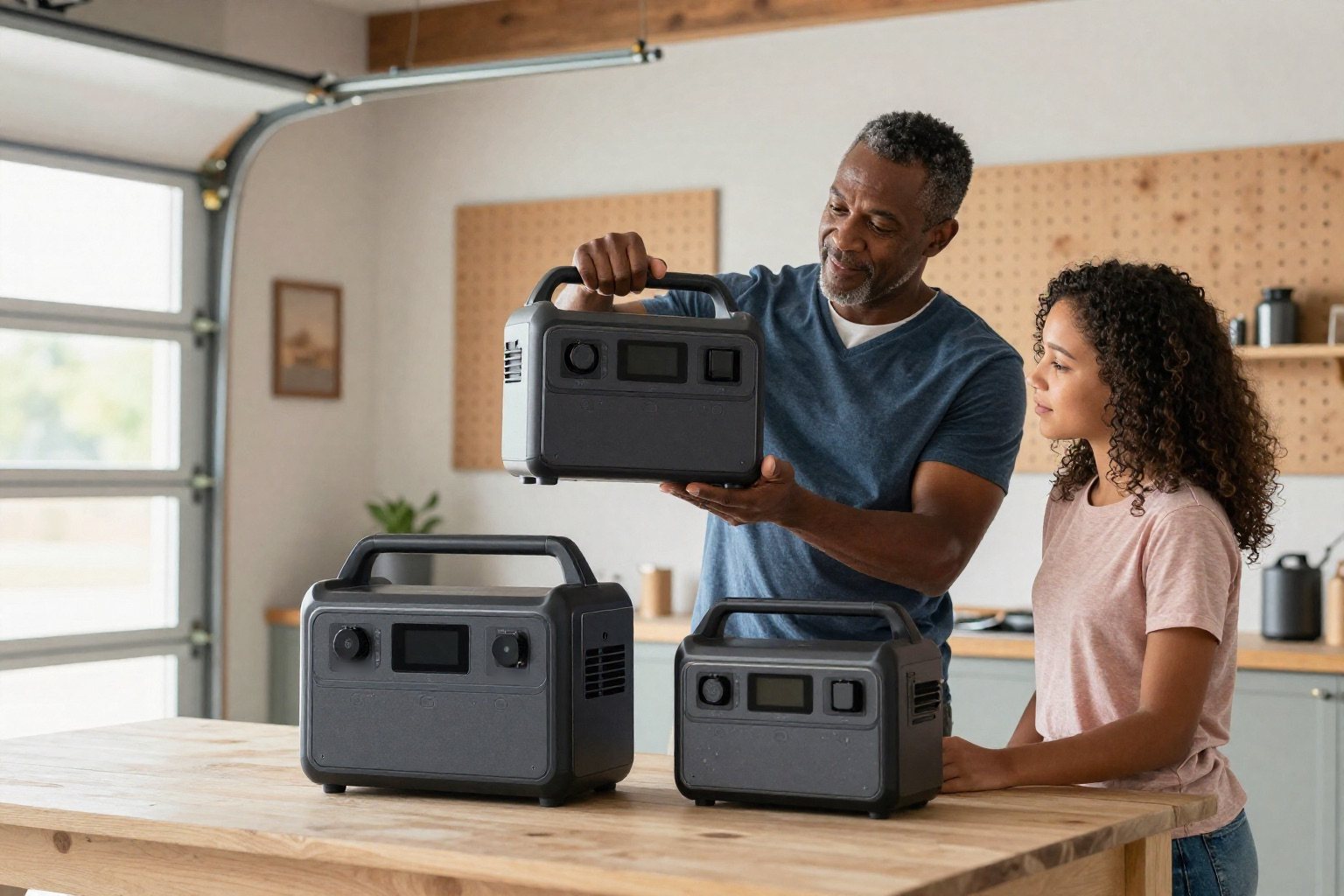 Battery Technology
LiFePO4 vs. Lithium-Ion: Compare Battery Chemistries Without the False Divide
LiFePO4 is a lithium-ion chemistry. Learn how to compare LFP and NMC power stations using documented cycle life, weight, safety, and storage needs.
Read the guide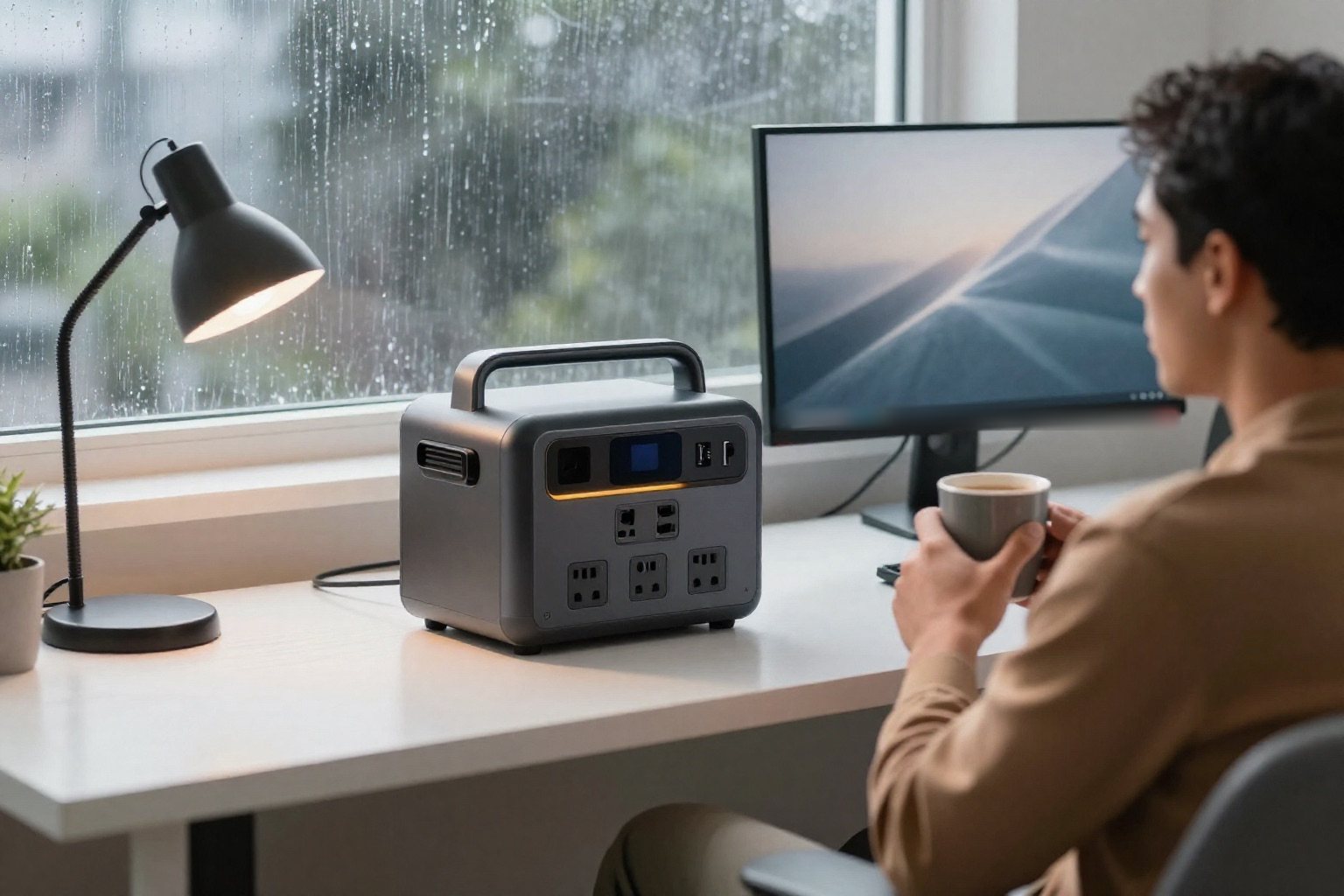 Home Backup
EPS vs. UPS: Check Transfer Behavior Before Trusting Automatic Backup
Learn why EPS and UPS labels do not establish device compatibility, and what to verify about transfer time, bypass operation, loads, and settings.
Read the guide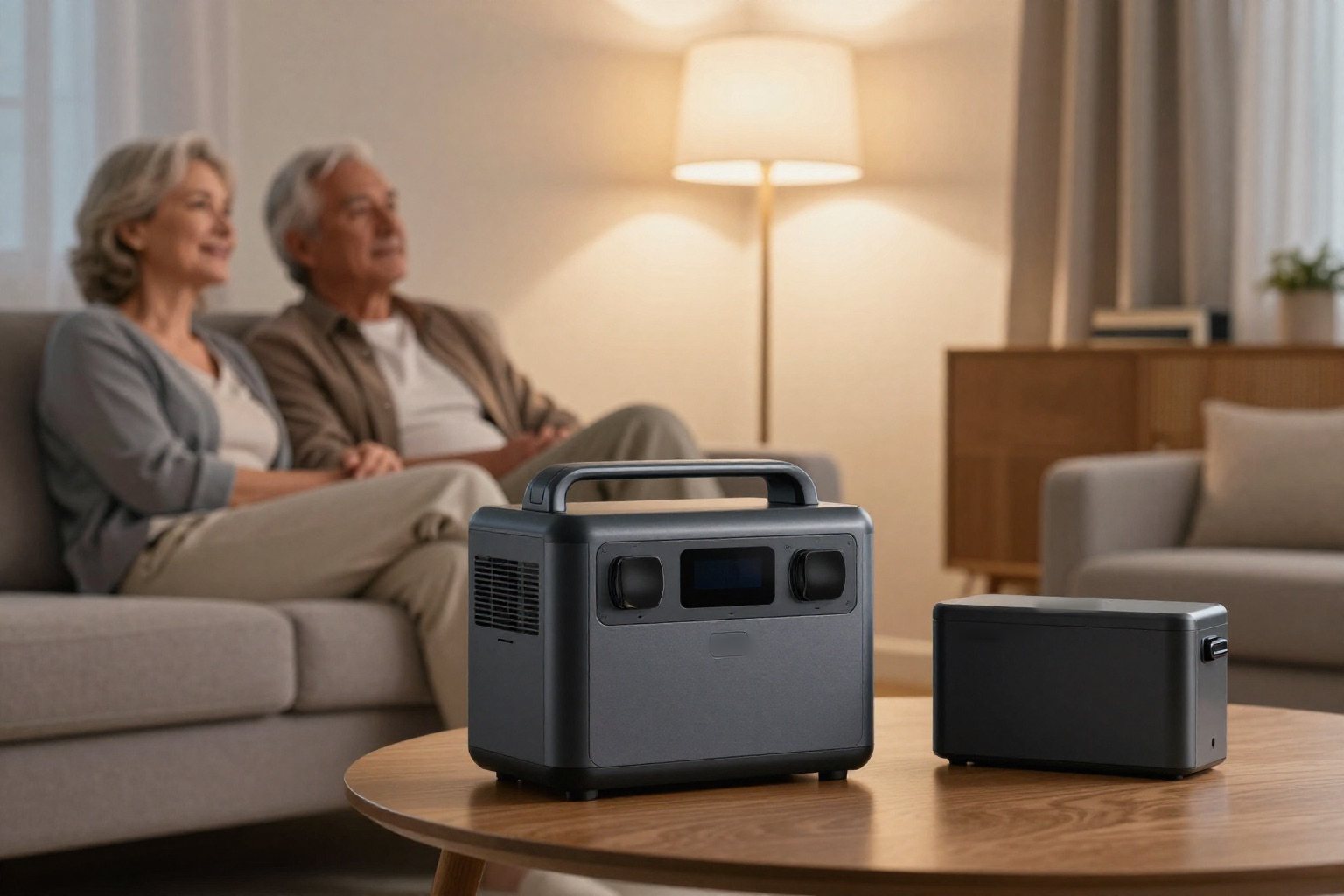 Battery Expansion
Expandable Battery Compatibility: Check the Exact Station, Pack, and Cable
Verify an extra battery by model number, approved cable, system limits, charging plan, and storage requirements before expanding a power station.
Read the guide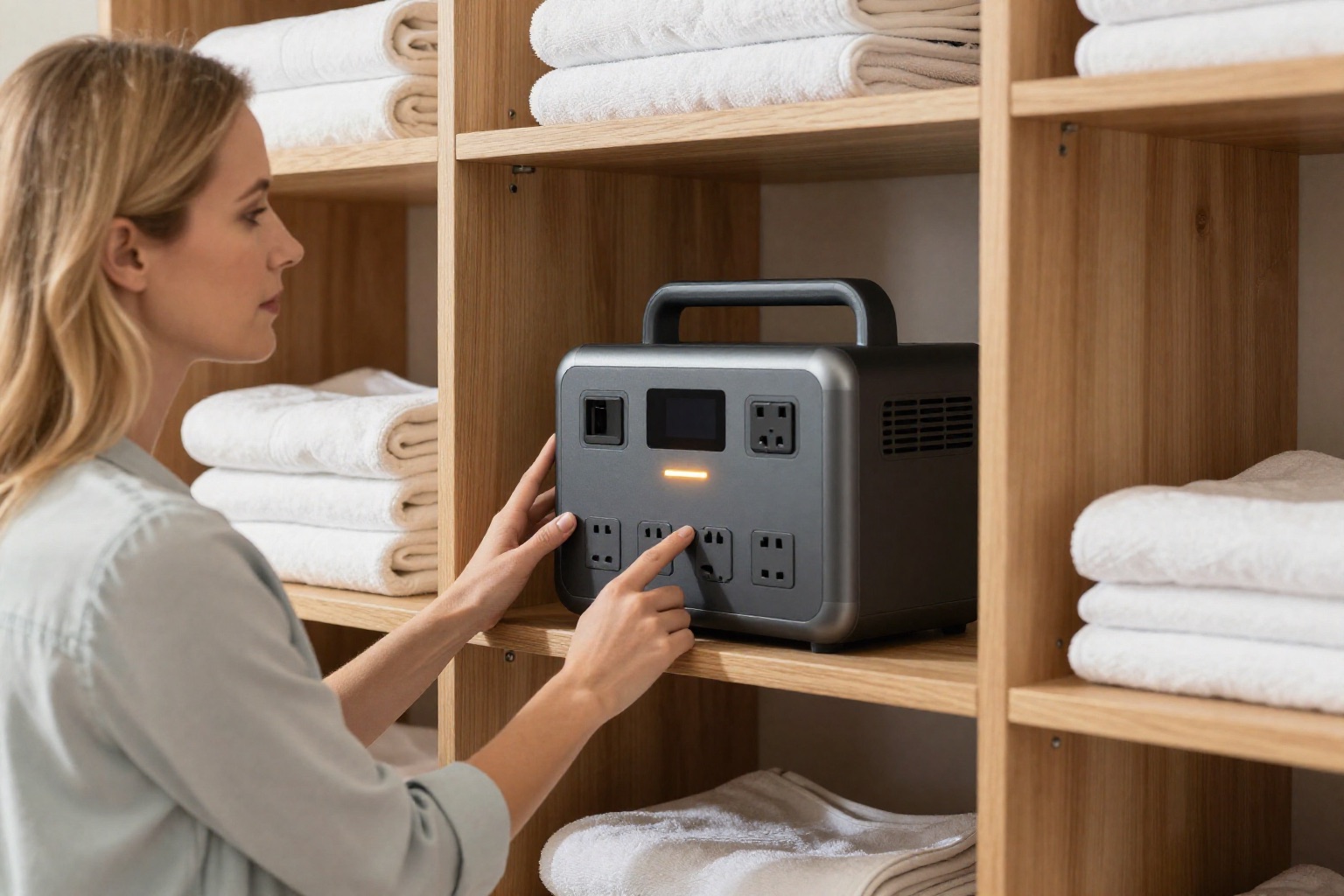 Care and Safety
How to Store a Portable Power Station Without Losing Track of Readiness
Follow model-specific storage charge, temperature, inspection, and maintenance instructions while keeping your backup battery ready for its next use.
Read the guideEdited
 Emergency Planning
Power Outage Preparation: Build an Essentials-First Battery Backup Plan
Prepare essential loads, charging equipment, safe placement, household instructions, and fallback decisions before relying on a portable power station.
Read the guide Buying Guides
2000 Watt Power Station: What It Runs and What to Check
What a 2000 watt power station really runs, how long 2 kWh lasts, the surge and boost fine print, and the 2000W models we would look at first.
Read the guideHow we compare and rate the stations is explained on How we rate. The rest of the team: Our editors.