Updated November 13, 2026 · 13 guides
Portable power station buying guides
Twenty minutes here can save you a return: a station too small for the fridge, a panel with the wrong plug, a UPS that blinks when you needed it not to. Sizing, watts versus watt-hours, refrigerators, solar panels, LiFePO4, EPS and UPS, camping, extra batteries, storage and outage plans, explained from the manuals and published documentation.
Buying Guides
 Buying Guides
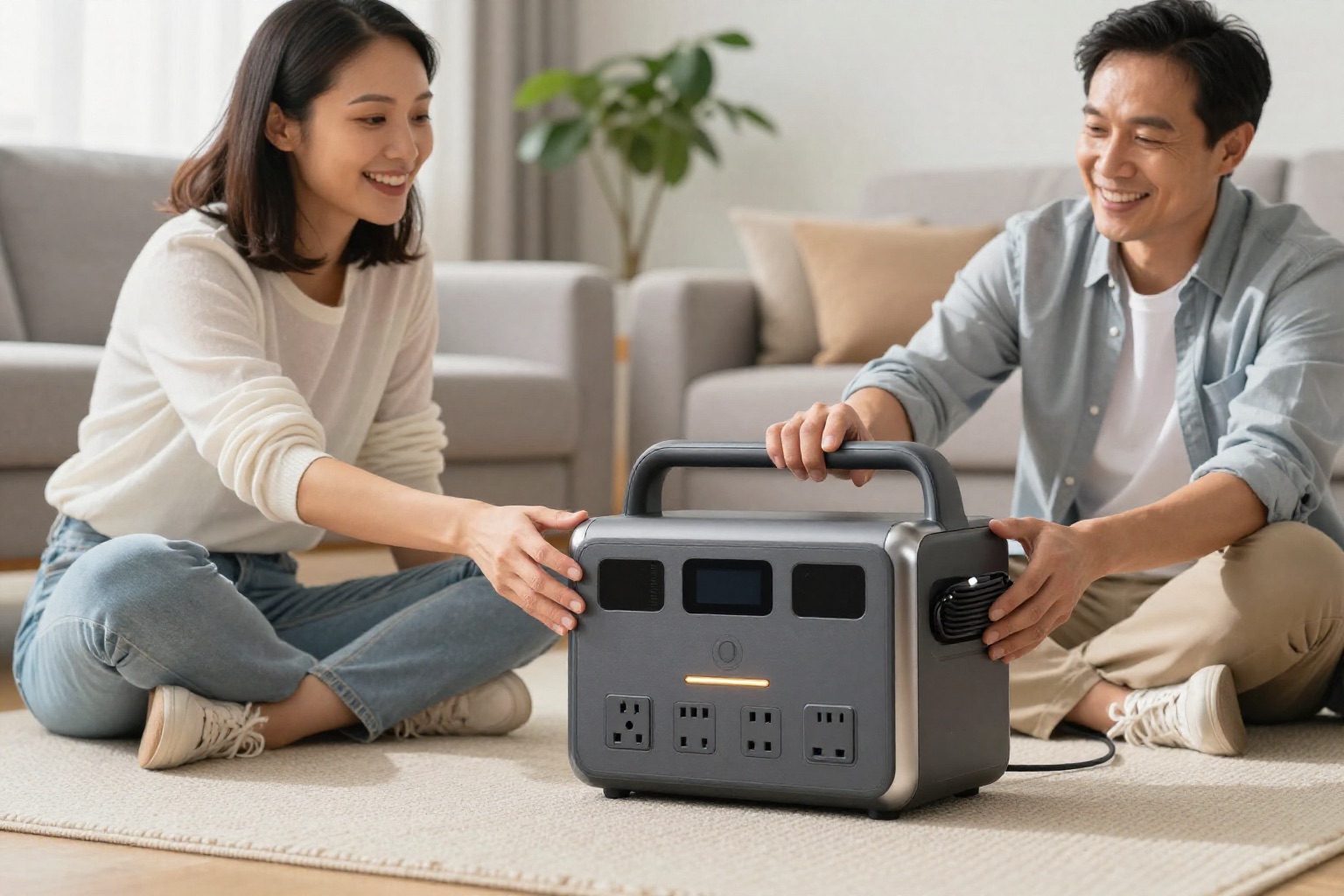
How to Choose a Portable Power Station for the Loads You Actually Need
Choose a portable power station by checking output, stored energy, charging, portability, and operating limits—not just the biggest number on the box.
Read the guide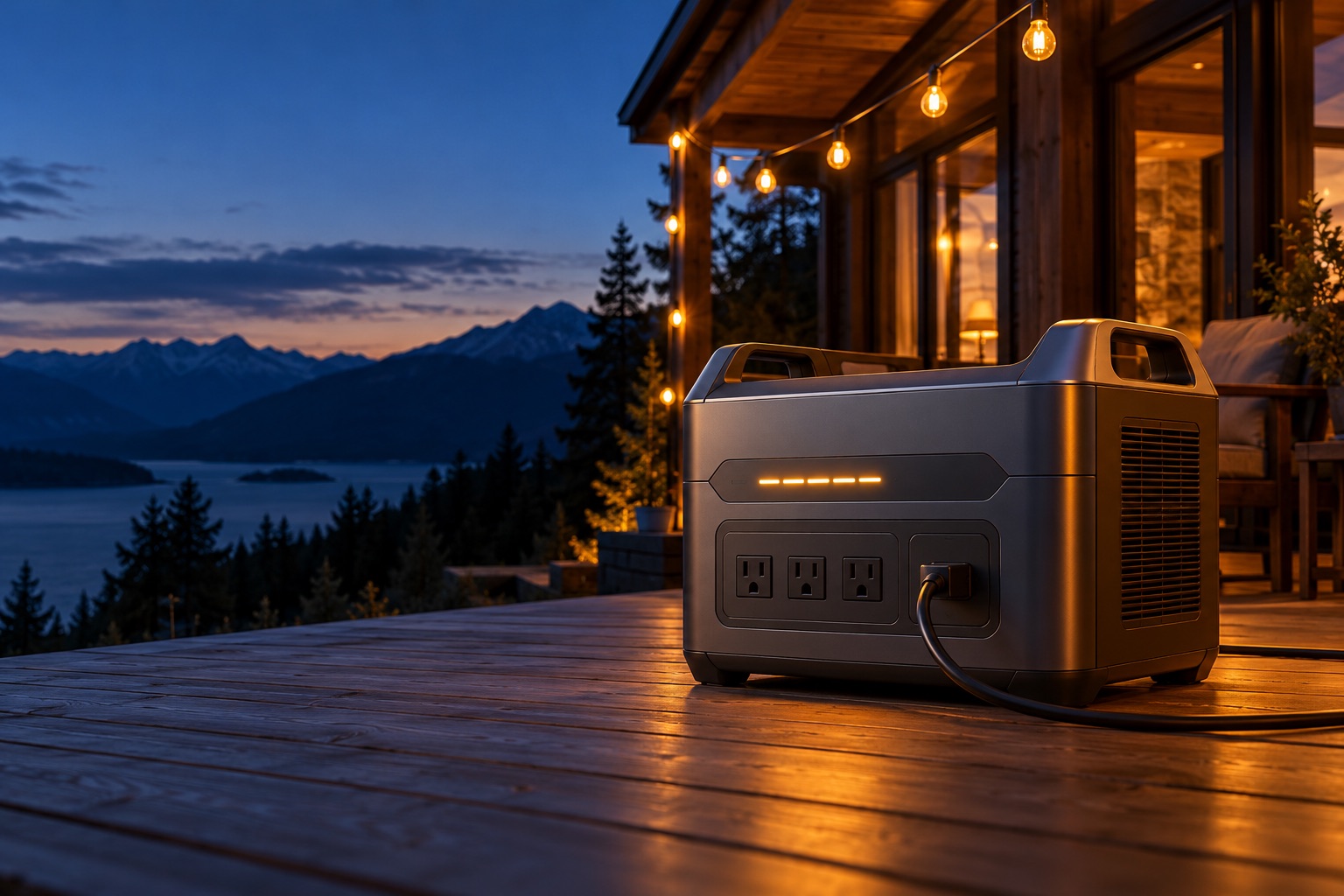 Buying Guides
2000 Watt Power Station: What It Runs and What to Check
What a 2000 watt power station really runs, how long 2 kWh lasts, the surge and boost fine print, and the 2000W models we would look at first.
Read the guide
Home Backup
 Home Backup
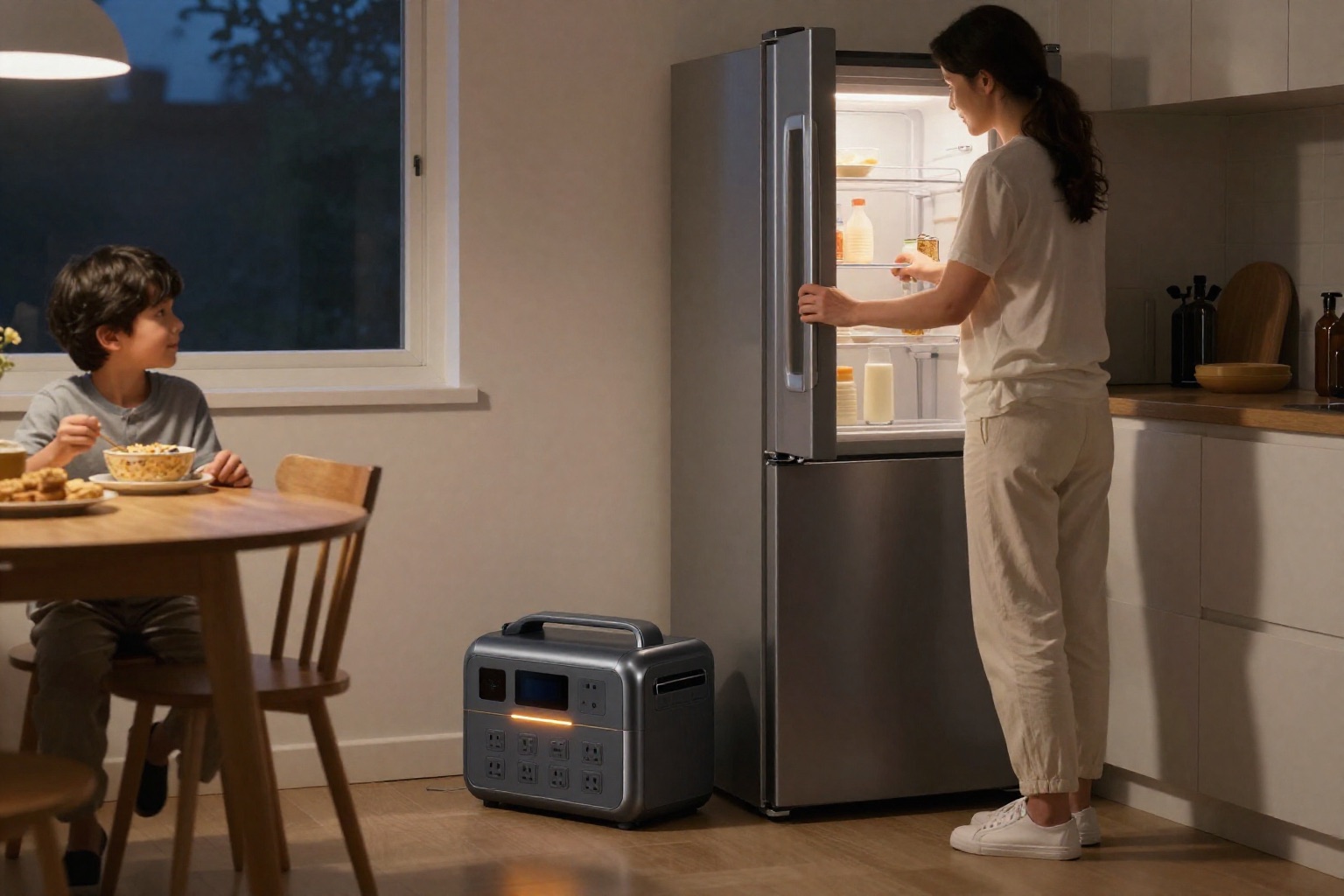
Choosing a Power Station for a Refrigerator: Startup, Cycling, and Runtime
Check your refrigerator's electrical needs, cycling energy use, backup settings, and recharge plan before relying on a portable power station.
Read the guide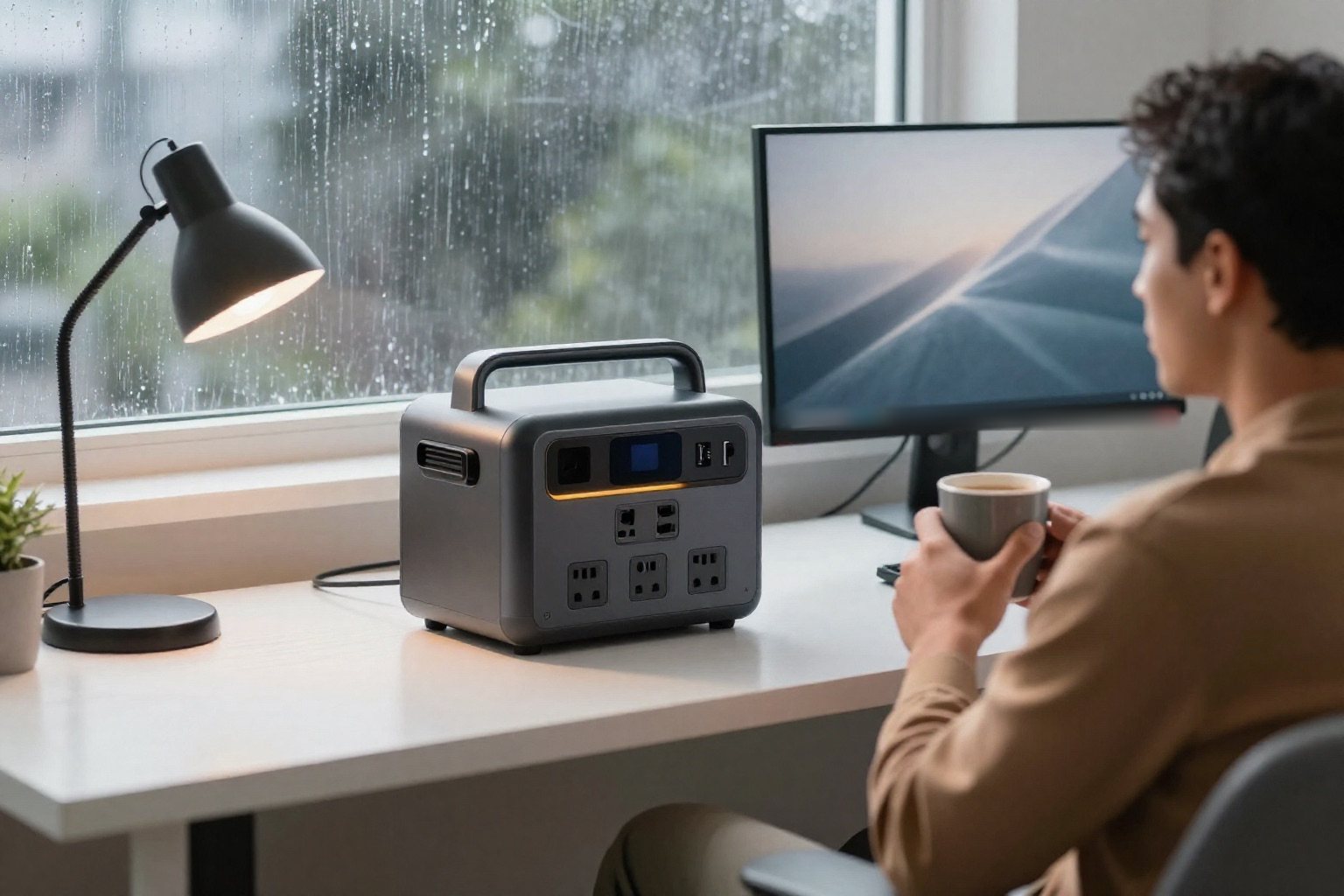 Home Backup
EPS vs. UPS: Check Transfer Behavior Before Trusting Automatic Backup
Learn why EPS and UPS labels do not establish device compatibility, and what to verify about transfer time, bypass operation, loads, and settings.
Read the guideSolar Charging
 Solar Charging
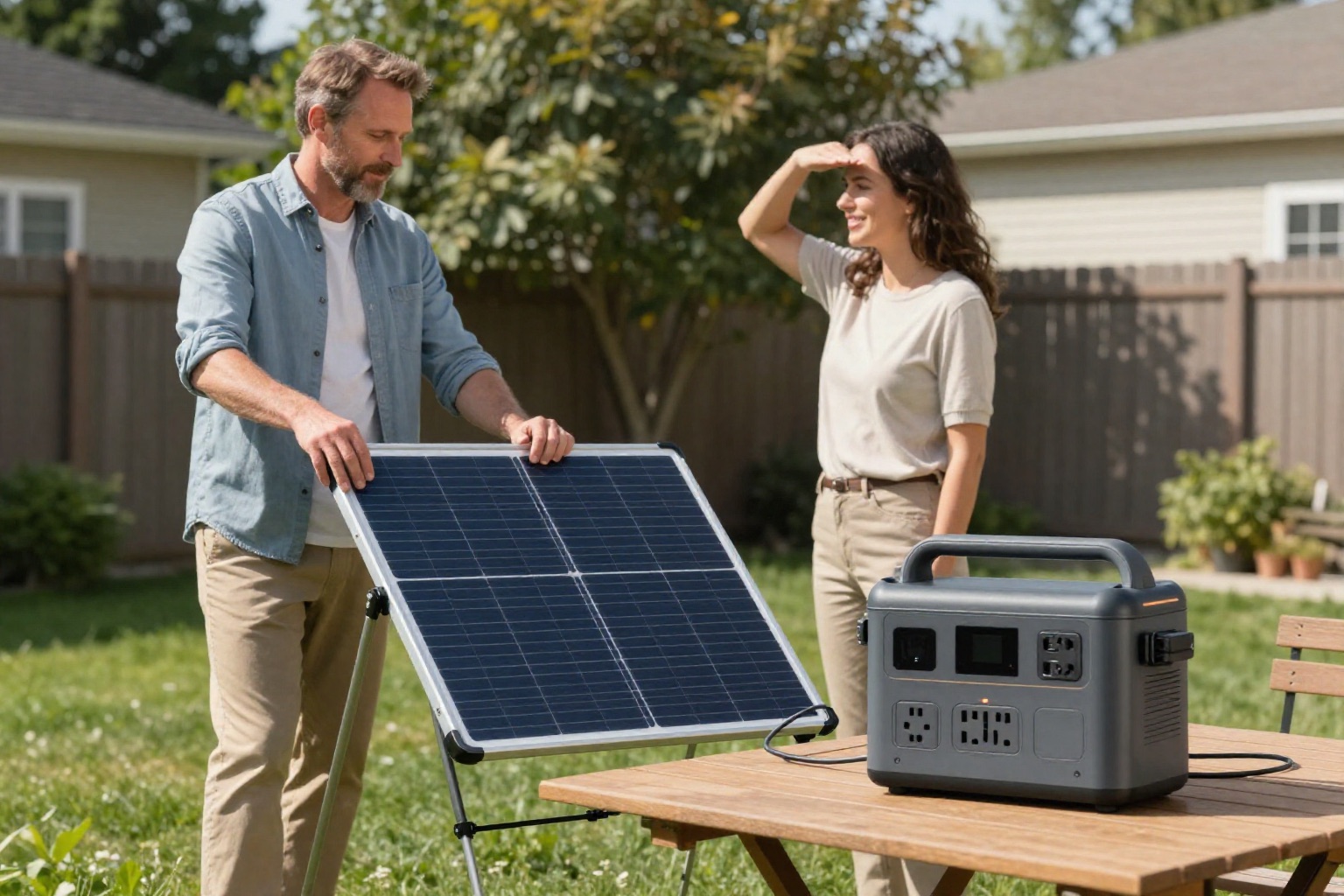
Solar Panel Compatibility: What to Check Before Charging a Power Station
Compare solar input limits, panel voltage and current, approved cables, environmental conditions, and charging expectations before buying a panel.
Read the guide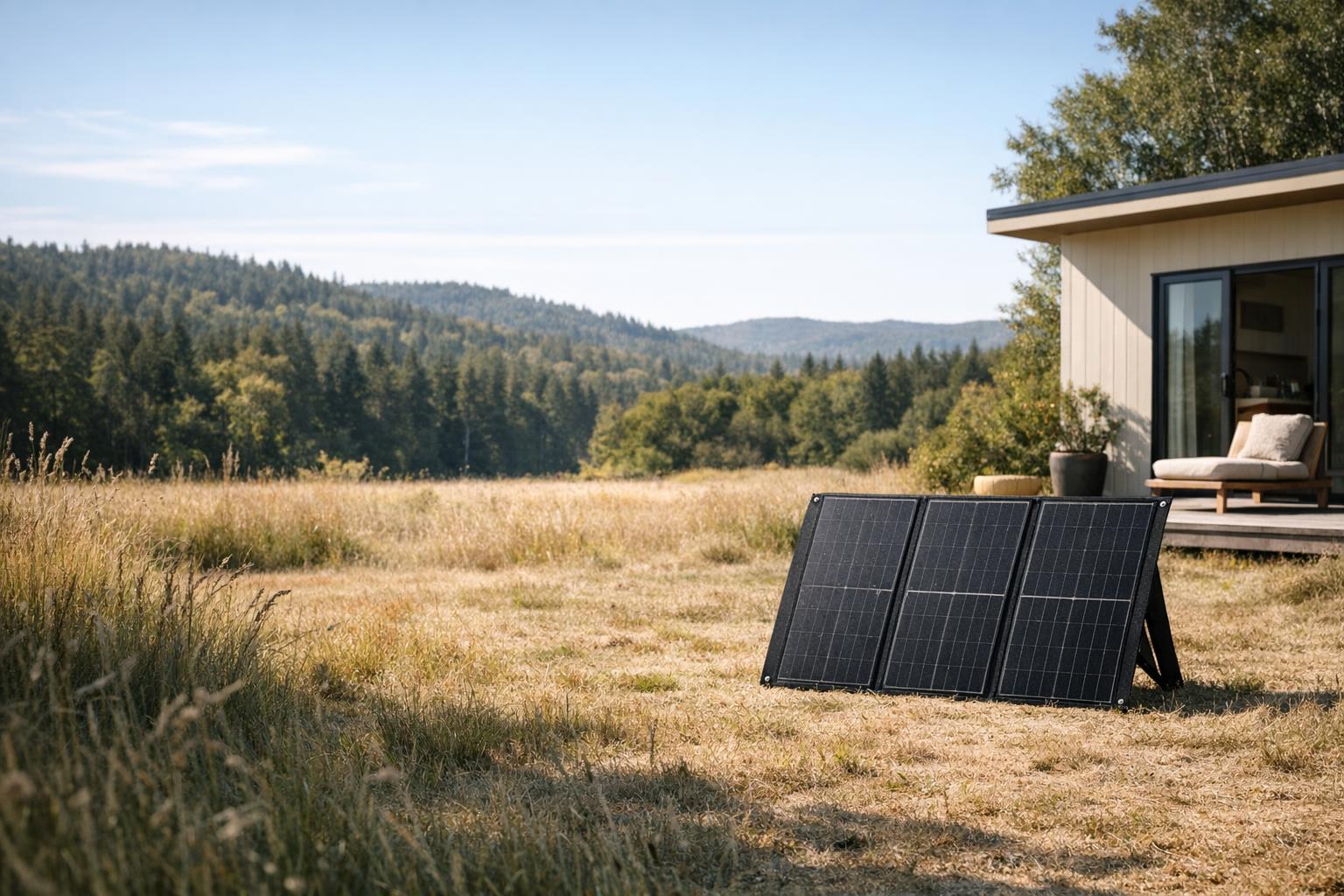 Solar Charging
MC4 to XT60: Connect a Solar Panel to a Power Station
MC4 to XT60 adapters explained: which way the cable goes, the voltage and current limits to check first, and when your station needs another plug.
Read the guide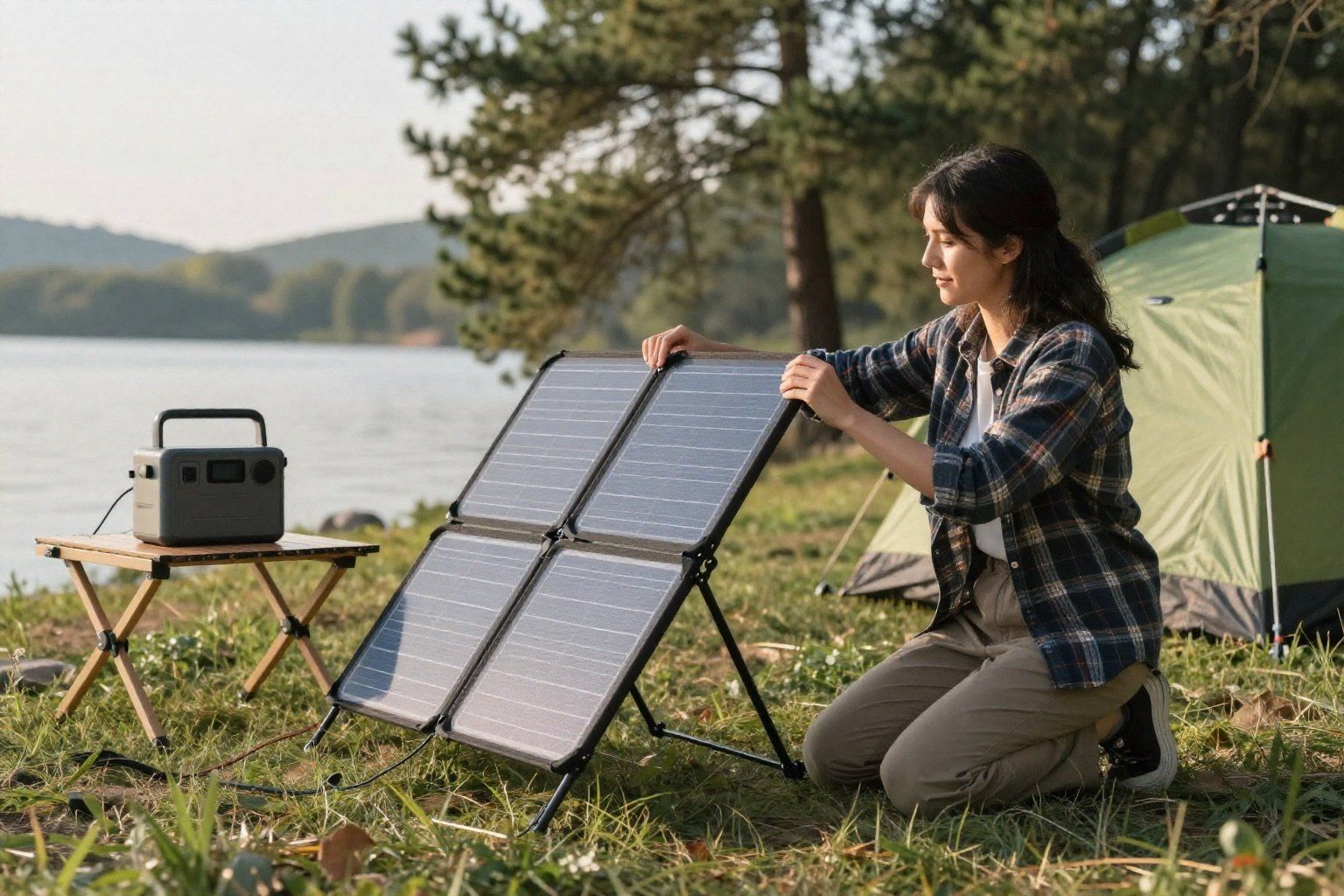 Solar Charging
Jackery Solar Panels: Which SolarSaga Fits Your Explorer
Which Jackery solar panel fits your Explorer: the five SolarSaga panels, DC8020 vs DC7909 plugs, the Explorer 300 catch and the kits worth buying.
Read the guide

References
The manufacturer manuals and independent sources the guides cite, each linked in the guide where it supports a statement.
- U.S. Energy Information Administration (EIA): Measuring electricity · watts measure power at a given moment, watt-hours the energy used over time
- EcoFlow DELTA 3 Classic user manual · manufacturer manual: outputs, X-Boost, AC timeout, solar input
- NFPA: Lithium-ion battery safety · damaged or misused lithium-ion batteries can overheat, catch fire or explode
- EcoFlow DELTA 3 user manual · manufacturer manual: ports, extra battery, app and Bluetooth control
- EcoFlow 220W bifacial portable solar panel (EF-Fold-G220-04) user manual · manufacturer manual: Voc and Isc, series and parallel wiring, sun and shade
- EcoFlow RIVER 3 user manual · manufacturer manual: cycle life, EPS and UPS transfer times, port limits
- U.S. Department of Energy: Lithium-ion Batteries Technology Strategy Assessment (2023) · lithium iron phosphate (LFP, LiFePO4) is one of the cathode chemistries of lithium-ion batteries
- U.S. Fire Administration (FEMA): Battery fire safety · storing, charging and retiring lithium-ion batteries safely
- Stäubli: Original MC4 solar connector, product brochure · the MC4 photovoltaic connector: a locking plug that needs a tool to open
- UL Solutions: UPS safety and UL 1778, the Standard for Uninterruptible Power Systems · what a UPS is (power to a load when the main source fails) and the UL 1778 safety standard for it
- IEC 60529, degrees of protection provided by enclosures (IP Code), Bureau of Indian Standards edition · the IP code behind IP65, IP67 and IP68: 6 = dust-tight, then water jets (5, 6) or immersion (7, 8)