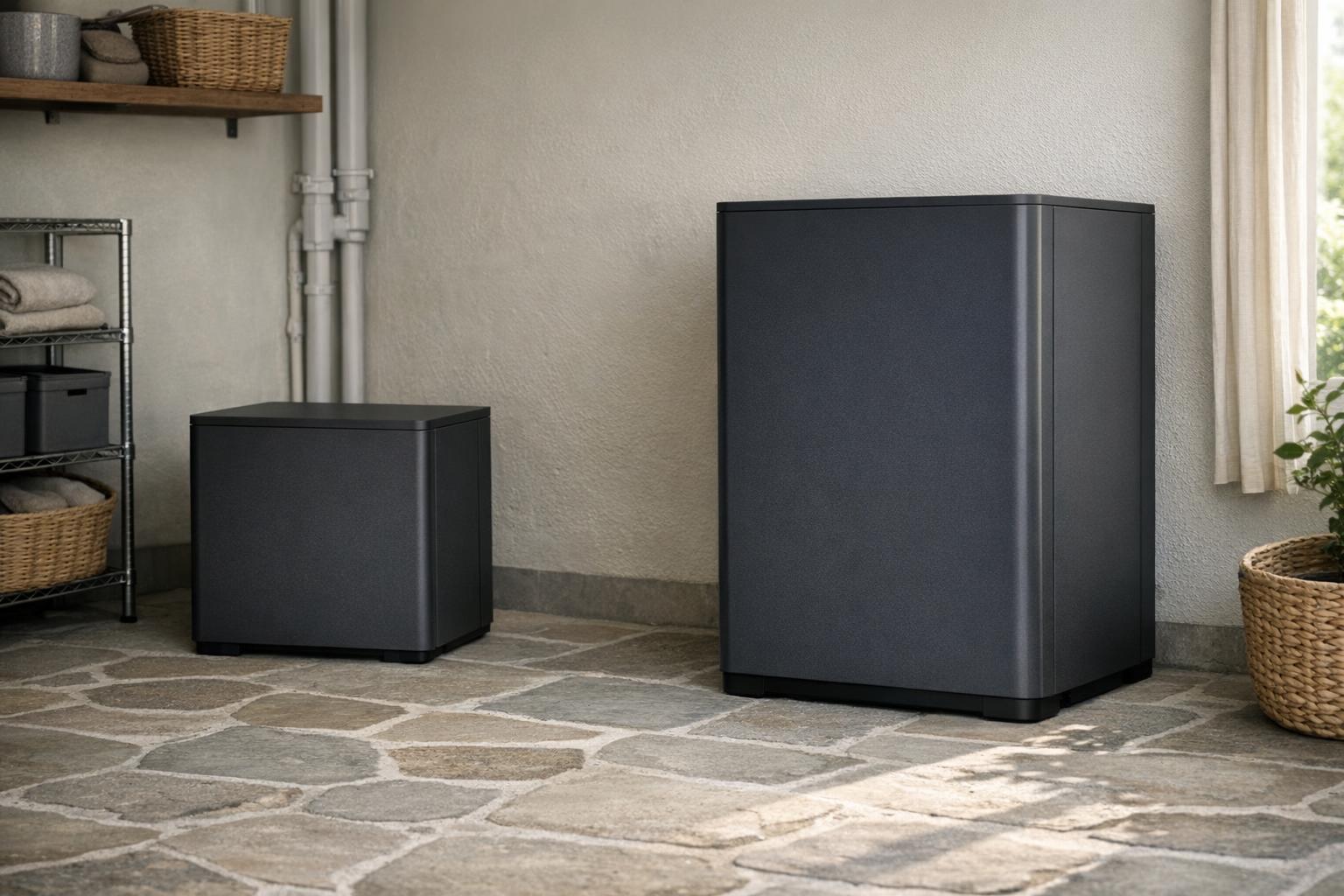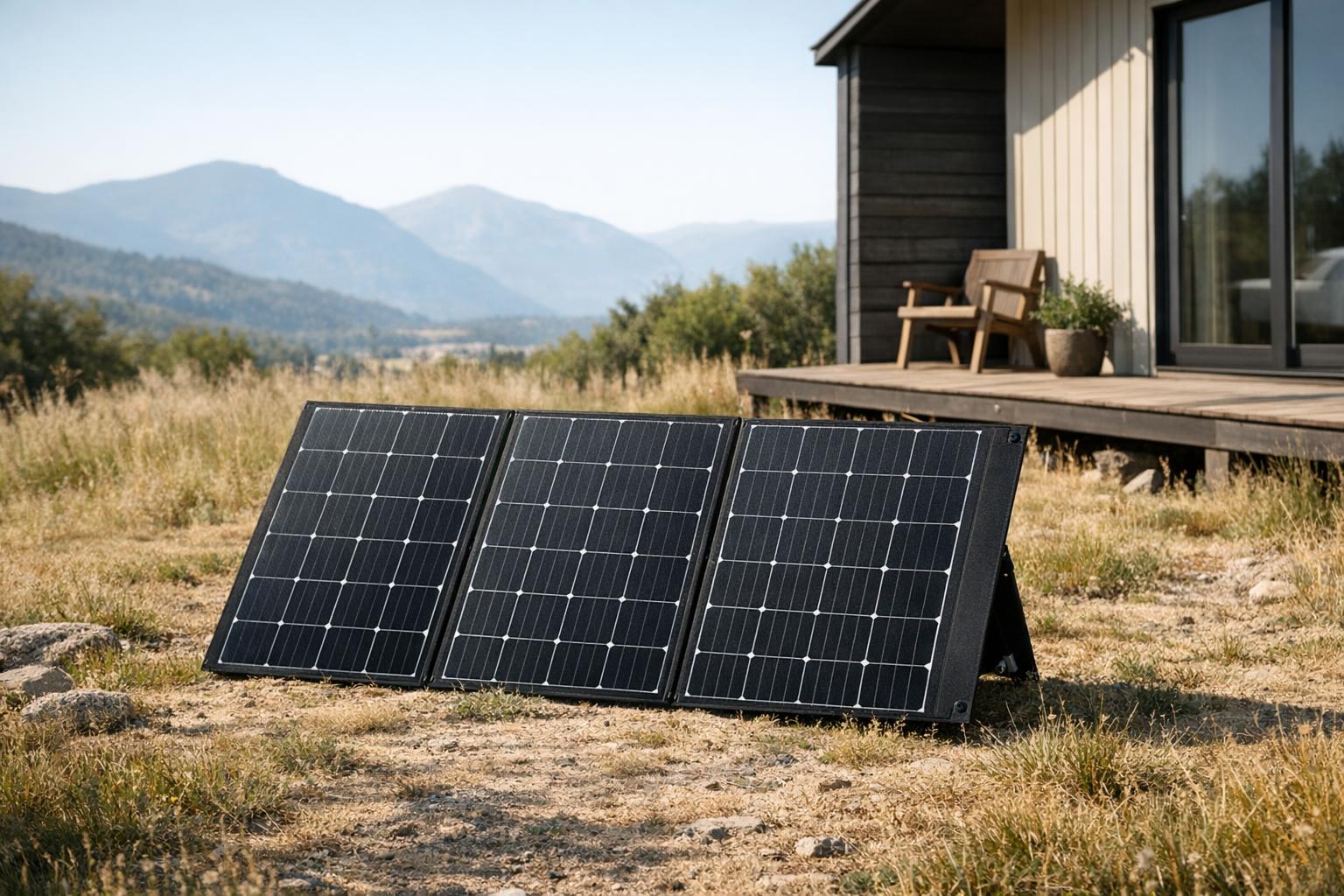
A solar panel is compatible with a portable power station only when the electrical specifications and approved connection method match. Similar plugs and matching brand names are not enough. Check the exact station, exact panel, and required cable before buying; this guide is a specification checklist, not a wiring tutorial.
Begin with the receiving device
Find the solar-input section of the power station's current manual. Record the permitted voltage range, current limit, maximum input power, and specified charging cable. Keep these separate from AC charging specifications and from the battery's stored energy. If the manual is ambiguous about an input limit, ask the manufacturer to confirm the proposed combination in writing.
The EcoFlow DELTA 3 Classic provides a concrete example: its technical specification lists solar input at 11–60 V, 15 A, and 500 W maximum. Its solar instructions also tell users to keep total panel open-circuit voltage within 60 V and total short-circuit current within 15 A. These figures apply to that documented model; they are not limits for other stations.[2]
Read more than the panel's advertised watts
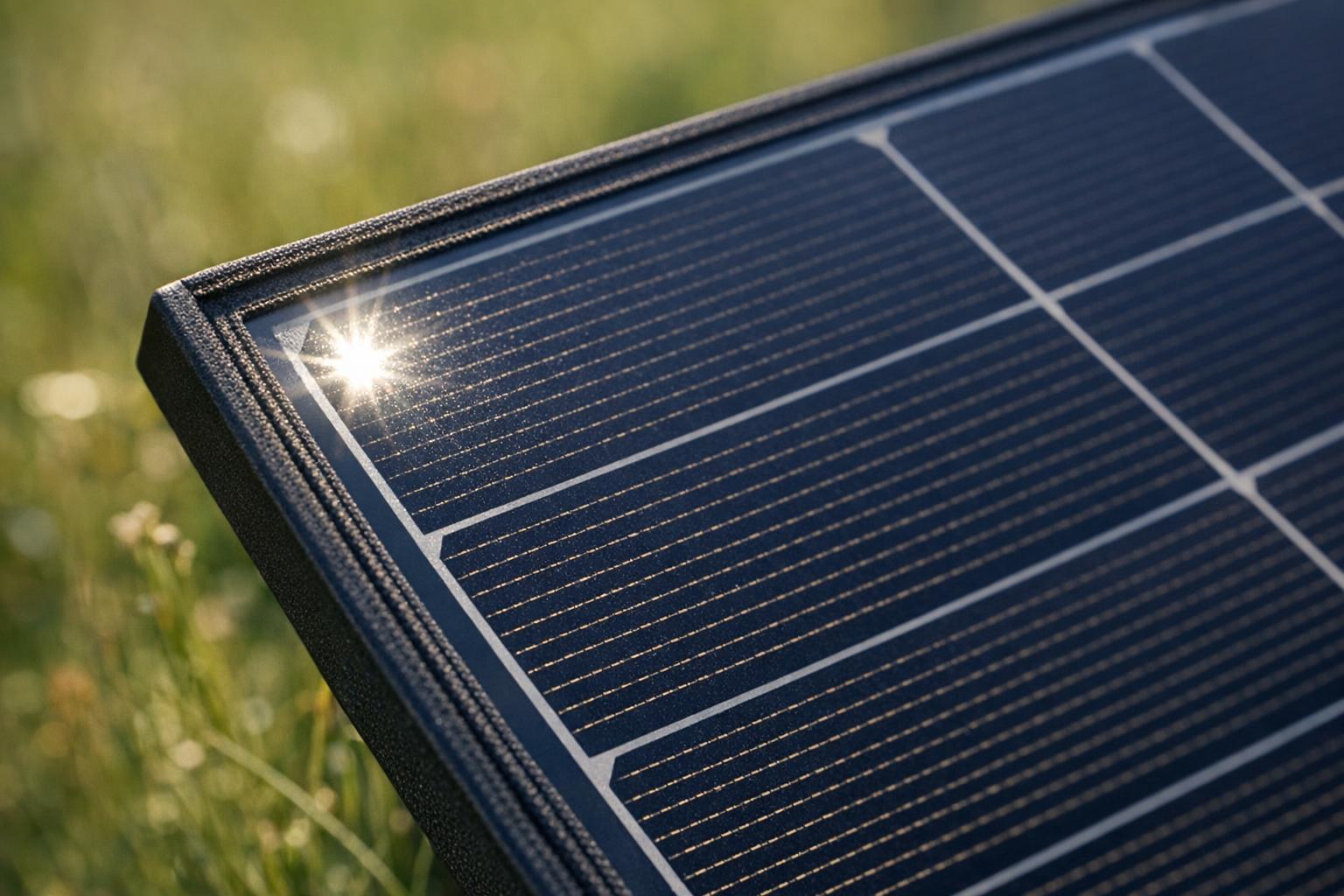
Find the panel's open-circuit voltage, commonly labeled Voc, and short-circuit current, commonly labeled Isc. Also retain the operating voltage and current, rated power, and environmental specifications. EcoFlow's panel manual explicitly identifies Voc and Isc as maximum output parameters to check against the receiving device. A wattage label alone does not complete that check.[7]
For example, a panel marketed as a certain wattage may still fail the receiving station's voltage or current requirements. Conversely, a station's maximum solar input is a ceiling, not a promise that a connected panel will supply that amount. Our guide to power and energy explains why charging power and the energy accumulated over an afternoon are different quantities.
Treat connectors as one part of compatibility
Check the approved cable and adapter specification for both ends of the connection. EcoFlow's 220W bifacial panel manual recommends its supplied charging cable, gives device-specific connection instructions, and warns that poor connections can cause port melting. It also directs users of other input types to the receiving device's manual. Do not infer electrical suitability just because an adapter fits.[7]
Do not modify connectors, guess polarity, or assemble a custom cable from a shopping photo. If an approved adapter is required, confirm its exact identifier and whether it is included. Ask the manufacturer about third-party combinations instead of interpreting a generic statement such as solar-ready as permission to connect any panel. Save the confirmation with your purchase documentation.
Leave room for environmental conditions
Panel specifications are stated under test conditions, not every possible outdoor condition. EcoFlow lists standard test conditions and temperature coefficients for its 220W bifacial panel and notes that open-circuit voltage and short-circuit current vary with temperature. A combination sitting exactly at a stated limit deserves manufacturer review rather than optimistic rounding.[7]
This guide does not provide a cold-weather array-sizing calculation. Use the manufacturer's documented design method and approved configurations, or consult qualified solar personnel where needed. The station and the panel also have different environmental instructions. A panel's weather-resistance claim does not establish that the battery station, adapters, or connections can share the same exposure.
Multiple panels need a documented configuration
Adding panels changes the electrical picture. EcoFlow's panel manual distinguishes the voltage and current behavior of series and parallel arrangements and requires the resulting array parameters to remain within the receiving device's limits. It also warns users to verify the maximum supported number of panels in advance. This is why counting total advertised watts is insufficient.[7]
Use only a configuration explicitly supported for your exact equipment. We do not provide wiring instructions, connector sequences, or a universal panel-count rule. When the goal is simply dependable portable charging, an approved single-panel or manufacturer-documented bundle may be easier to validate than a mixed array. For a campsite, the camping power checklist adds practical questions about space, placement, and carrying burden.
Estimate useful charging, not brochure output
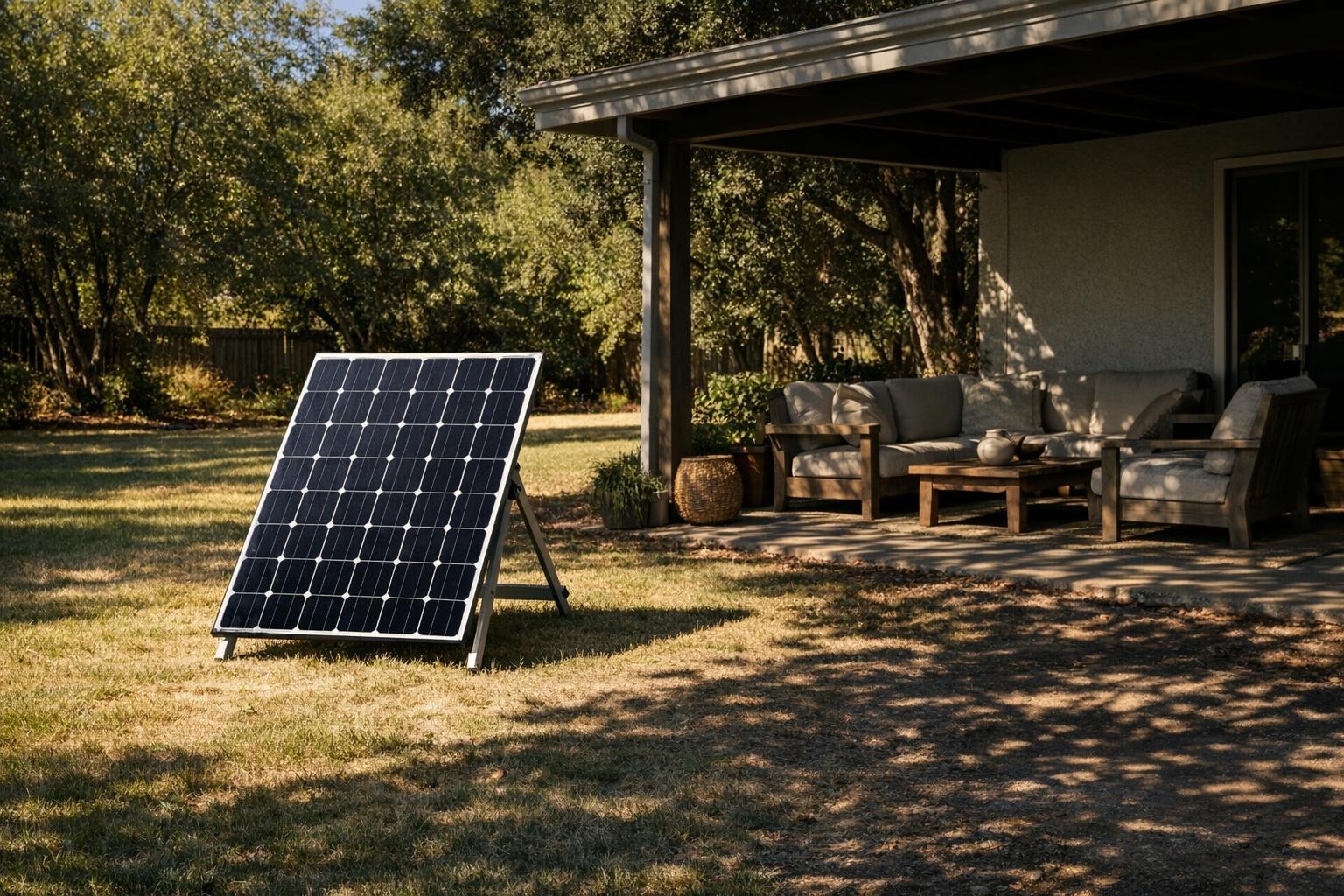
EcoFlow explains that weaker sunlight, shading, debris, and panel angle affect output. A sunny promotional image does not tell you what your campsite or backyard will receive. Identify a place where the panel can be positioned according to its manual without compromising safe placement of the power station or creating a trip hazard.[7]
Make a plan that still works when solar contributes little. Then add a separate, clearly labeled estimate for favorable conditions. If you use charging power multiplied by time, remember that the input must remain at the assumed level for that simple calculation to hold. Do not present a fixed full-recharge time without matching the manufacturer's conditions or your own documented observations.
Make the purchase conditional on complete answers
Before ordering, collect the station manual, panel manual, approved cable identifier, confirmed configuration, and a realistic location for deployment. Check what the bundle actually includes. Unresolved electrical compatibility is a reason to pause, not a minor accessory detail to solve after delivery.
If your main objective is longer runtime at home, compare solar charging with a supported extra battery. One depends on collecting energy under suitable conditions; the other adds documented storage capacity. Neither replaces the station's output limits or a safe outage plan. Choose the approach that solves your actual constraint instead of assuming every backup setup needs both.