A good camping power plan starts with fewer essential devices, a realistic energy budget, and a place where the battery can operate within its instructions. Pack for the whole trip, not just the first evening. Treat solar and vehicle charging as supported opportunities to verify, not automatic guarantees of unlimited power.
Decide what must work when charging is unavailable
List the devices you genuinely need: communication equipment, permitted lighting, camera gear, or a compatible portable cooler. Then list optional comforts separately. State the trip duration, when devices will be used, and whether you can reduce use if the battery runs low. This is a priorities exercise, not a reason to bring every plug-in appliance from home.
For each item, record power requirements and the intended charging method. Energy in watt-hours comes from power used over time, as EIA explains. Use our energy-budget guide to keep battery capacity separate from output capability. Leave medical or life-sustaining equipment out of a general-purpose camping recommendation; those needs require a separately approved plan.[1]
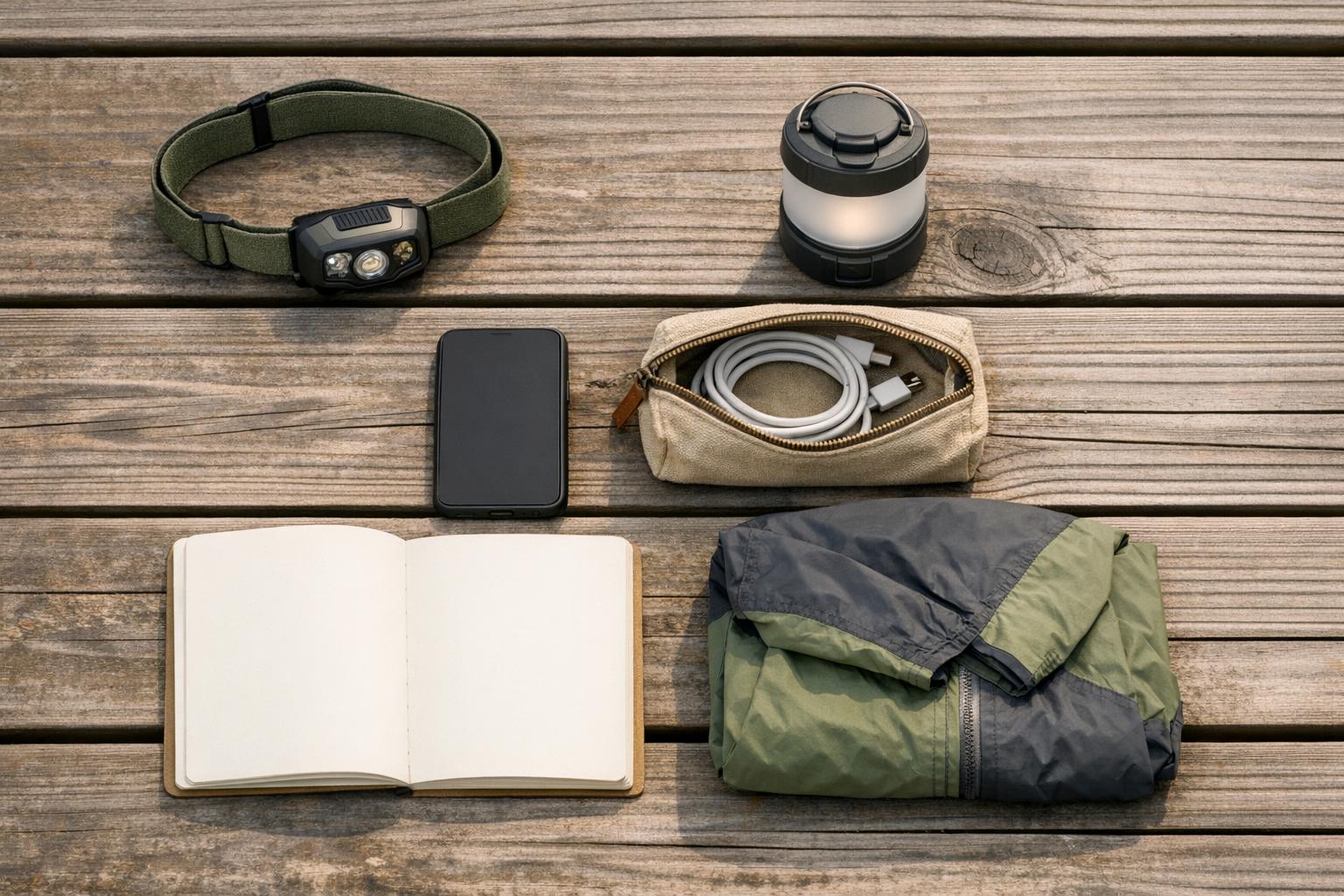
Make a device-and-cable inventory
Check the exact port used by every device. For USB-powered equipment, verify the required charging protocol, supported power, and suitable cable rather than assuming all USB-C combinations deliver the same result. EcoFlow's DELTA 3 Classic manual states that maximum USB output may not be available if the cable or device does not support the corresponding protocol.[2]
For a vehicle-style DC cooler, check the appliance's voltage and starting requirements against the station's DC specification. EcoFlow's DELTA 3 manual explicitly calls out instantaneous starting current and voltage requirements for that output. Do not infer DC compatibility from an AC wattage claim or from a physically matching plug.[5]
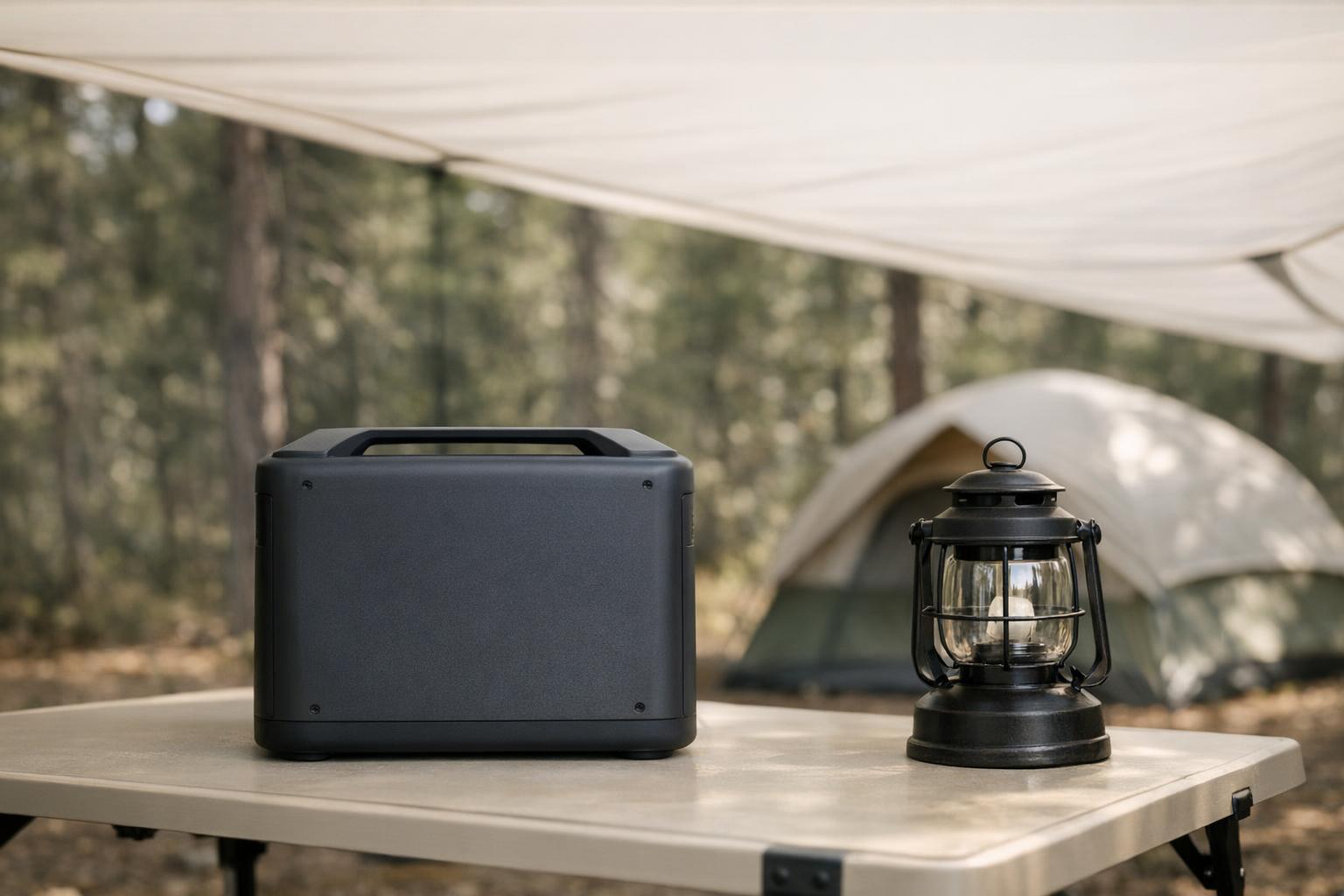
Pack the complete system on paper first
Include the station, charging cable, device cables, approved adapters, any solar equipment, and the space each needs. Check dimensions against the car and campsite storage area. Decide who will carry the equipment and how far. A power station that fits your energy budget but is impractical to move is not a good camping match.
Create a short packing list: battery and manual, approved charger, labeled device cables, necessary approved adapters, independent flashlight, and written operating notes. Confirm that every item serves a specific device or charging path. Our selection guide helps evaluate size and usability without relying on promotional descriptions such as ultra-portable.
Plan solar around the site, not the itinerary
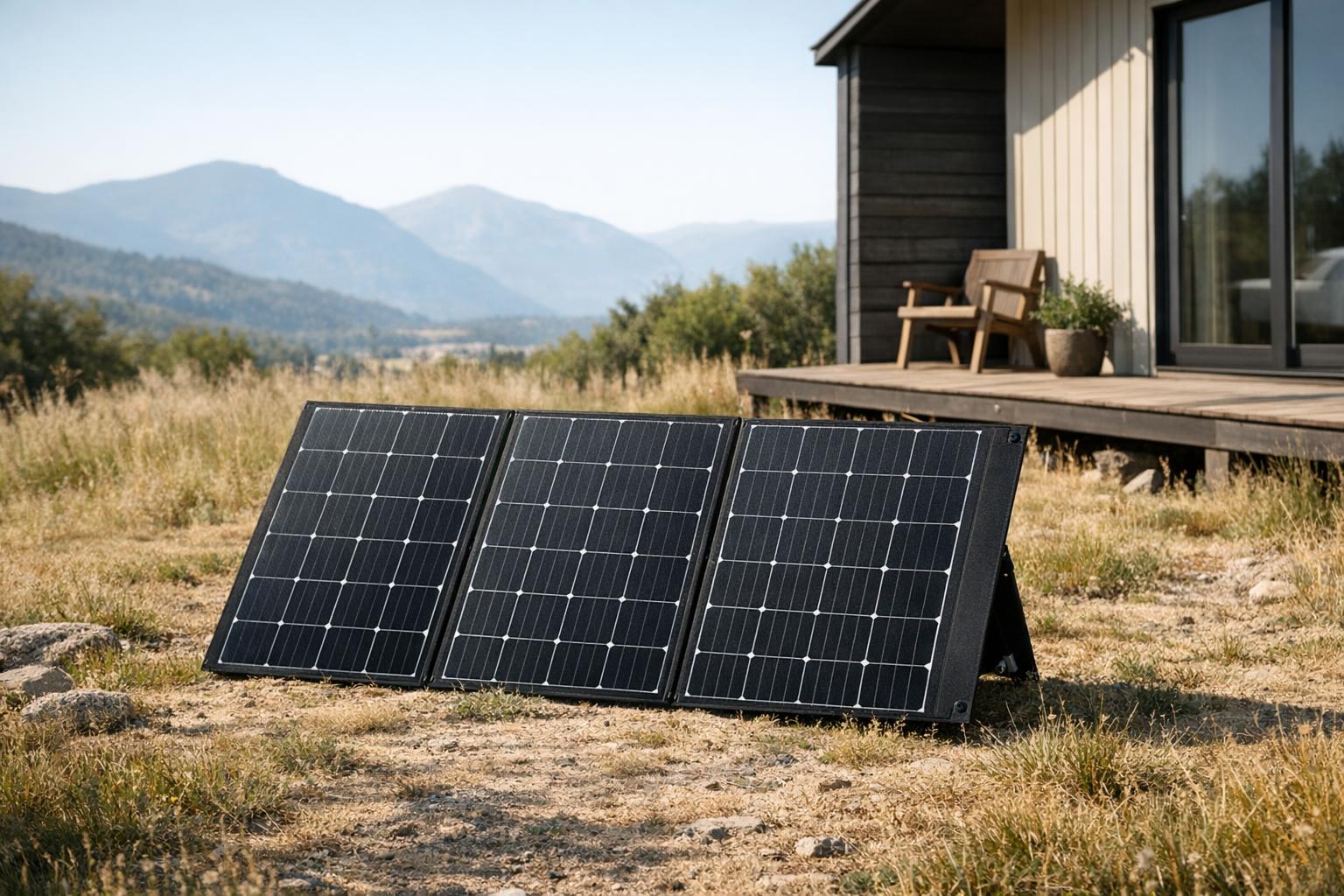
Identify where a panel can receive useful sunlight and where the station can remain in a permitted operating location. These may be different places. EcoFlow's panel manual explains that weaker light, shading, debris, and angle reduce output. A wooded campsite or a day spent away from camp therefore deserves a conservative plan rather than an all-day nameplate-power assumption.[7]
Before buying a panel or adapter, use the solar compatibility checklist. Confirm voltage, current, and approved cable requirements for the exact combination. Plan the trip so a disappointing solar day leads to reduced optional use or another safe fallback, not pressure to improvise charging equipment.
Check vehicle charging before leaving
Use only the vehicle-charging arrangement approved for the station and compatible with the vehicle. EcoFlow's RIVER 3 instructions, for example, specify its car charging cable and tell users to start the vehicle before charging to avoid a starting failure from insufficient vehicle-battery charge. This is model guidance, not permission to attach arbitrary equipment to a vehicle circuit.[4]
Review the vehicle manual and campsite rules too. Do not build your energy plan around unattended idling, charging in an enclosed space, or an undocumented alternator installation. If you need a permanently installed charging system, have the appropriate qualified installer specify it. A portable trip checklist is not an installation manual.
Choose a permitted operating location
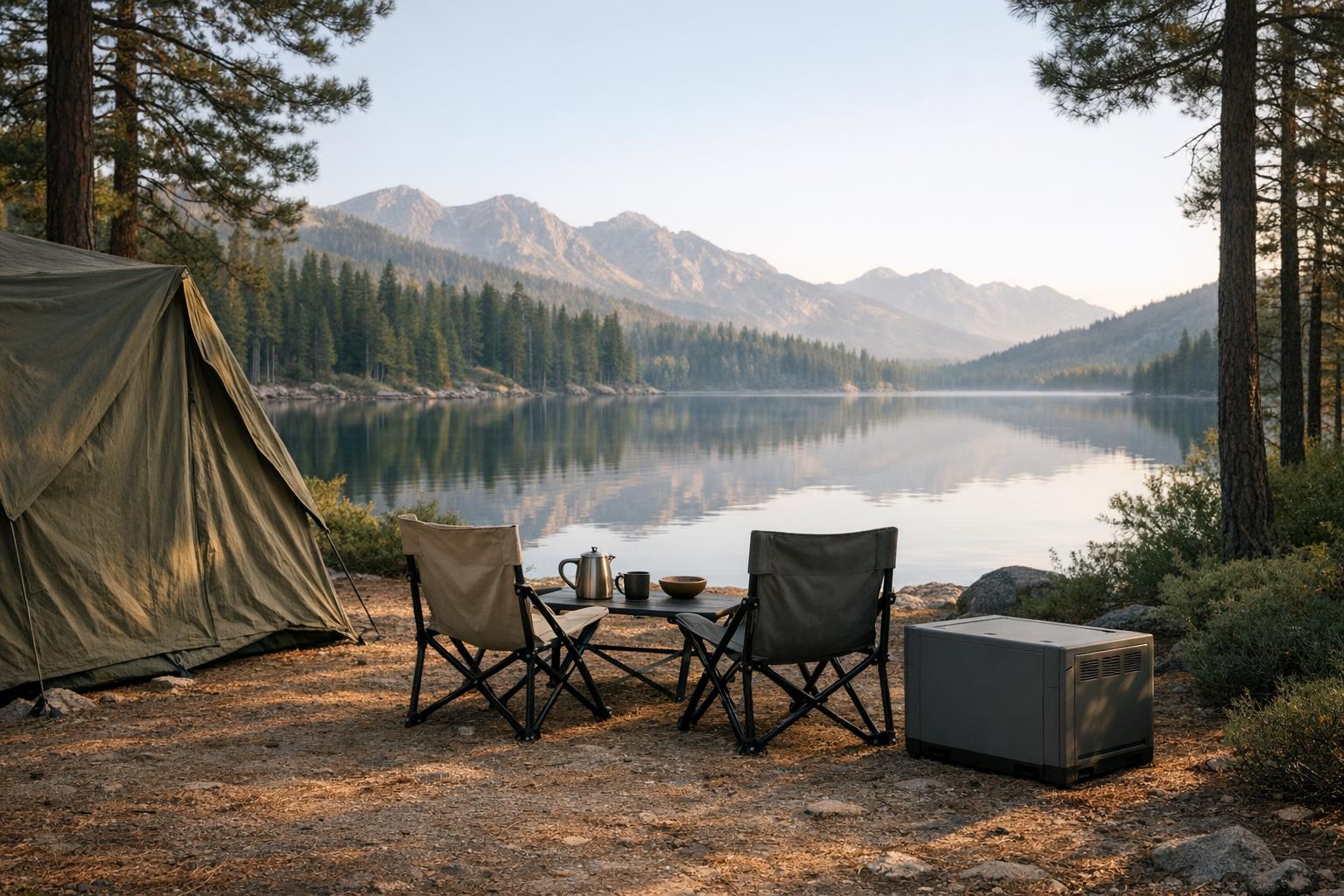
Battery power is not a blanket indoor or outdoor safety approval. Follow the station's ventilation, temperature, water-exposure, and placement instructions. EcoFlow warns against blocking heat dissipation and requires stable placement. Keep cooking activity, walking routes, and the battery's required clearances distinct when arranging a small campsite.[2]
USFA warns against leaving lithium-ion batteries in direct sunlight or hot cars. Do not treat the vehicle as a universally safe storage locker while you hike. Check the station's separate storage, charging, and discharge conditions against the trip forecast, and change the plan if you cannot meet them. Never seal an operating station in a bag to solve a weather problem at the expense of ventilation.[8][2]
Perform a normal-use rehearsal
Before departure, charge and operate your intended devices using the approved cables, within the manuals' instructions. Record what works, any settings needed, and observed energy use. Test ordinary use rather than attempting overloads or bypassing protections. This is your own trip preparation, not a substitute for manufacturer specifications or evidence of hands-on product testing by this site.
Learn the display and physical controls before cellular service is limited. Save the manual locally and label unfamiliar cables. Check any output timeout relevant to an intermittent load; EcoFlow notes that refrigerators can trigger idle-output behavior. Decide what you will turn off first if available energy is lower than expected.[2]
Close the loop after the trip
Inspect the station and cables after transport. USFA says to stop using a lithium-ion battery if it develops an odor, excessive heat, shape or color change, leakage, or odd noises. Do not continue a trip's charging routine with suspect equipment simply because it still produces power.[8]
When you return, follow the storage and maintenance guide and the exact manufacturer's instructions. Record missing cables, unrealistic energy assumptions, and any placement problems while they are fresh. The next trip's improvement may be a smaller device list or better campsite planning rather than a larger battery.