
Joanna Pritchard, Senior editor
I edit everything on this site before it goes up, and I write the guides that come down to arithmetic: how big a station you need, how long it will keep your essentials going, and what deserves a slot when the grid is down for two days.
Most of my day is spec sheets and manuals open side by side. A listing will say 2,000 W and 2,048 Wh and stop there. I want the surge figure and how long the inverter holds it, the output per outlet, the wall charging input, and whether that watt-hour number is cell capacity or what actually reaches the outlet. Those are rarely the same, and the gap decides whether your freezer makes it to morning.
Then I read owner reviews, a lot of them, sorted by complaint. A fan that never stops, an app that keeps dropping the connection, a unit that shuts off the moment the microwave starts. When the same problem keeps coming up, it goes into the ranking notes.
We read, we compare, and when prices or models change, I go back and redo the list.
Areas of expertise
- Sizing loads: running watts vs surge
- Watt-hours and realistic runtime
- Outage plans built around essentials
- Keeping the rankings current
How I work
- I work from the spec sheet and the manual, not the product title. A number that appears in neither stays out of the ranking.
- I put every claim into the same terms before comparing: usable watt-hours, continuous watts, surge watts, charge time from the wall.
- I read the one- and two-star reviews before the five-star ones and keep a tally of what repeats.
- When a price moves or a model is replaced, the ranking gets checked again before the next update.
Articles by Joanna Pritchard
Written
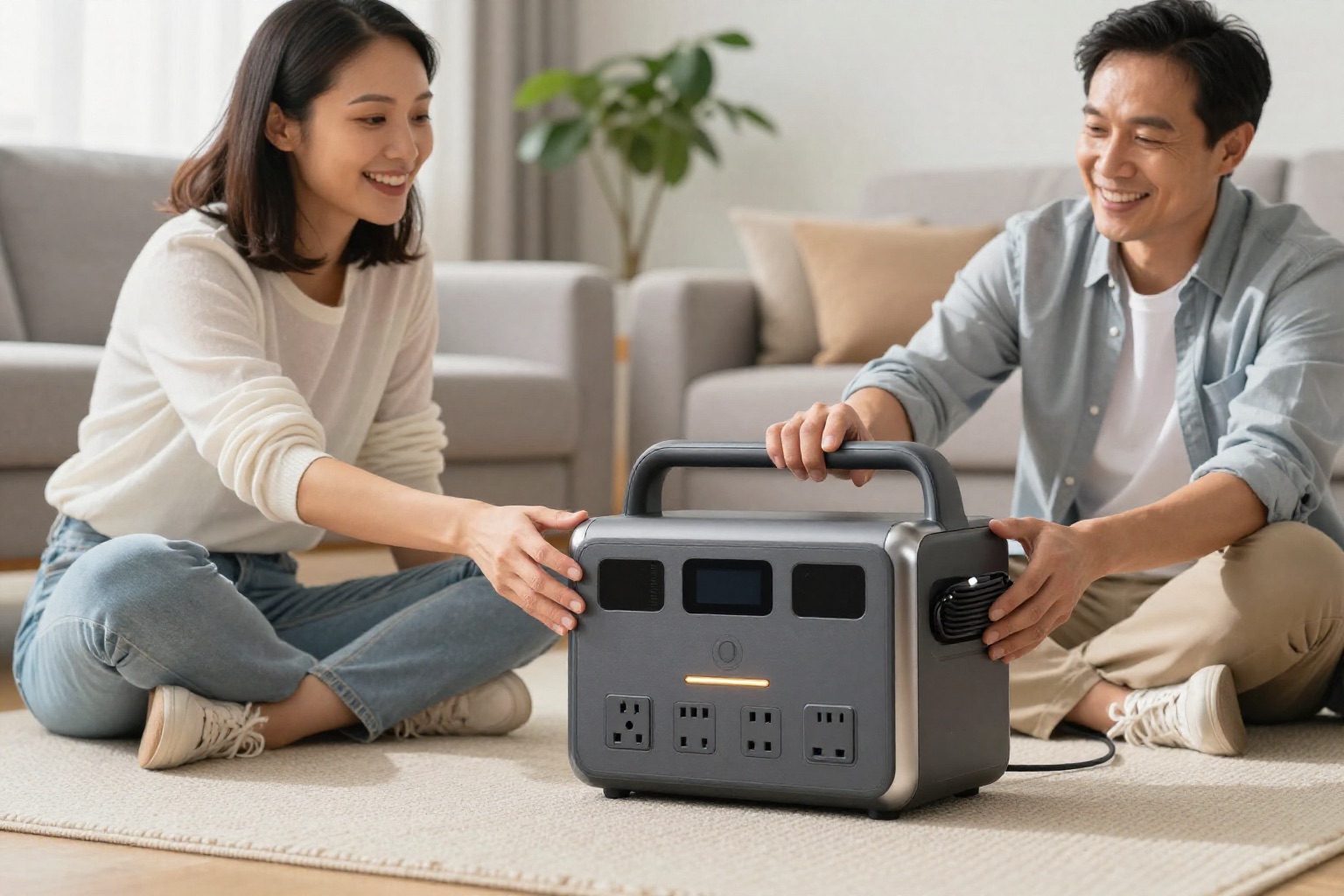 Buying Guides
How to Choose a Portable Power Station for the Loads You Actually Need
Choose a portable power station by checking output, stored energy, charging, portability, and operating limits—not just the biggest number on the box.
Read the guide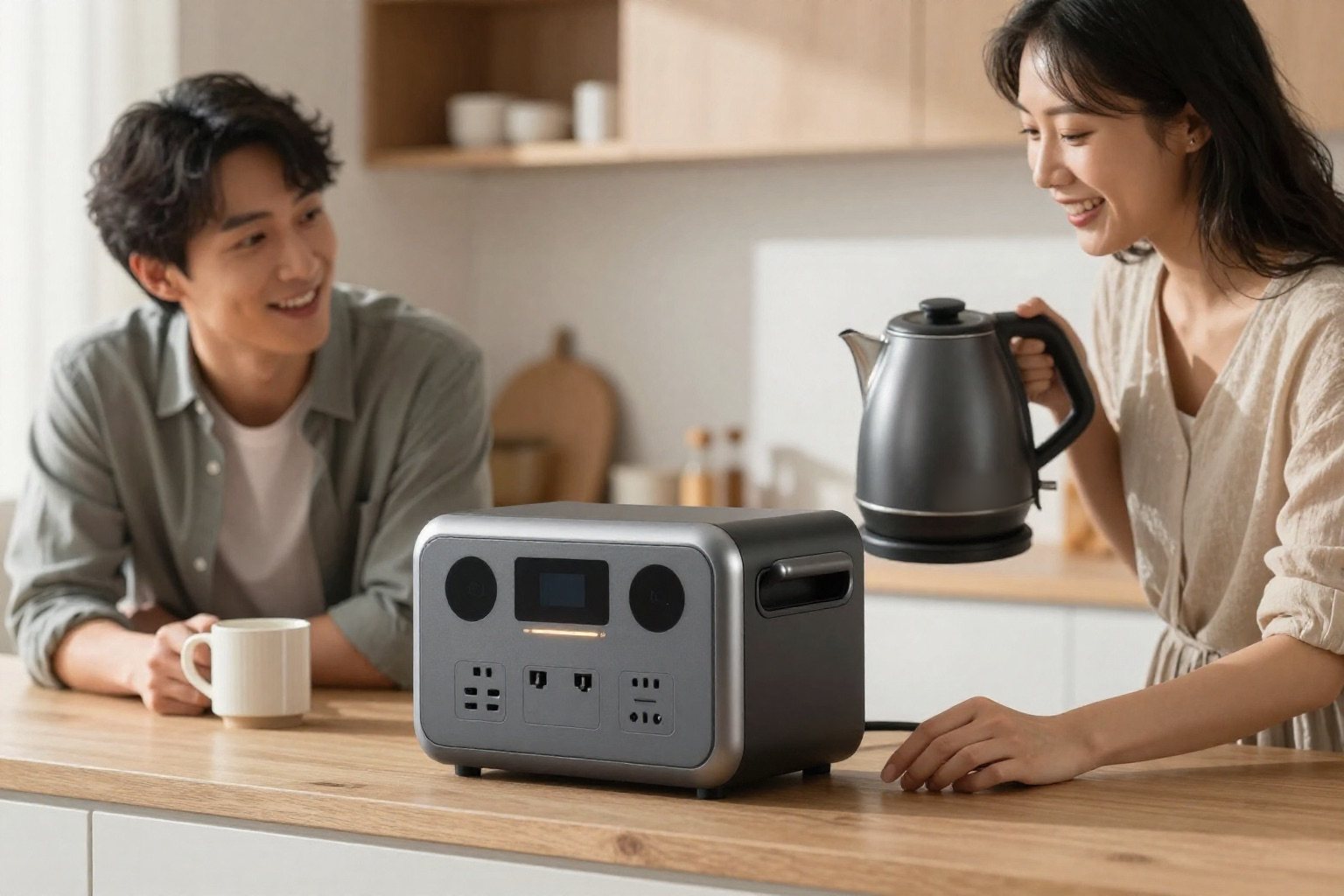 Power Basics
Watts vs. Watt-Hours: Size Power Output and Battery Runtime Separately
Understand W, Wh, and kWh, build an energy budget, and estimate portable power station runtime without confusing battery capacity with output.
Read the guide Emergency Planning
Power Outage Preparation: Build an Essentials-First Battery Backup Plan
Prepare essential loads, charging equipment, safe placement, household instructions, and fallback decisions before relying on a portable power station.
Read the guide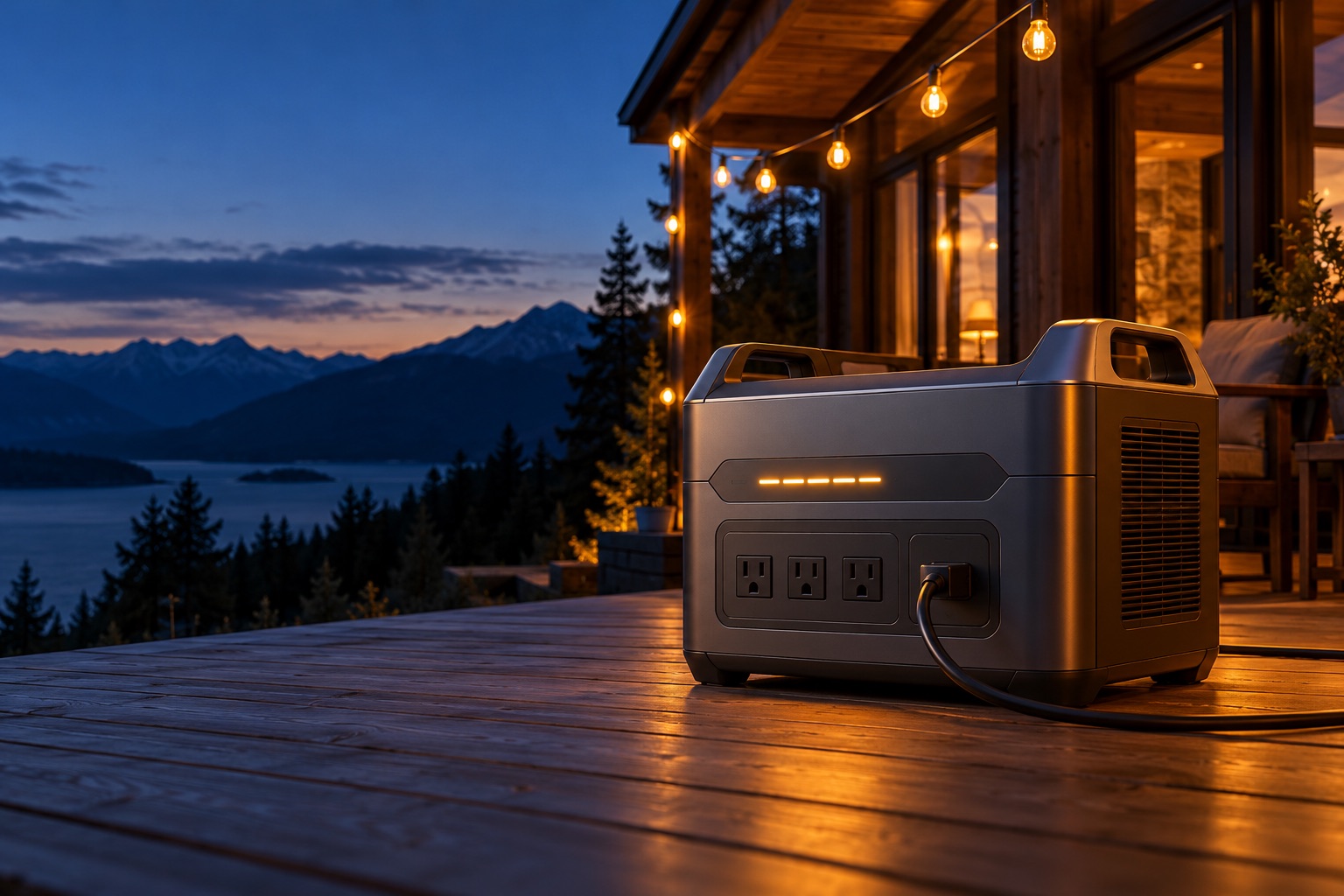 Buying Guides
2000 Watt Power Station: What It Runs and What to Check
What a 2000 watt power station really runs, how long 2 kWh lasts, the surge and boost fine print, and the 2000W models we would look at first.
Read the guideEdited
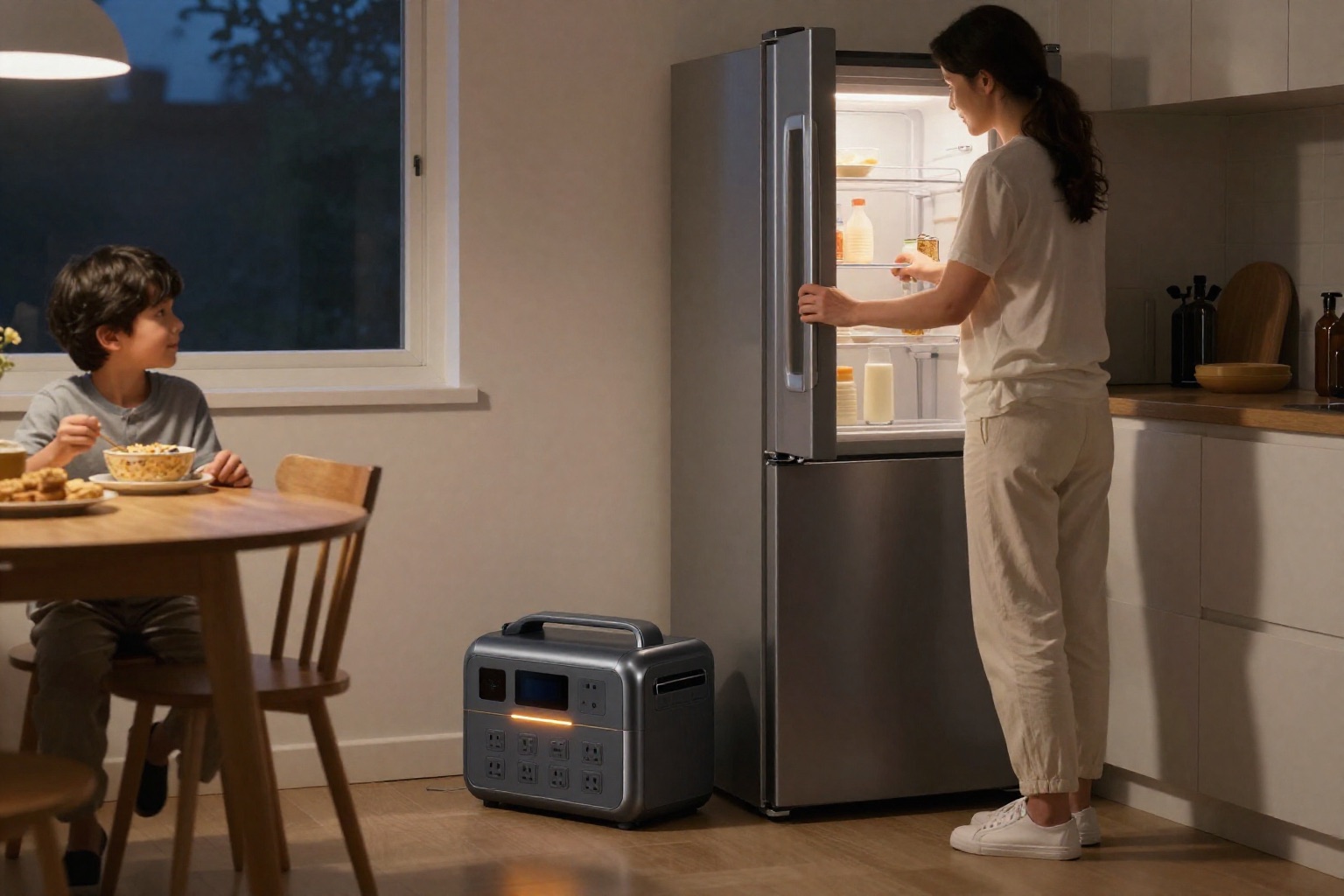 Home Backup
Choosing a Power Station for a Refrigerator: Startup, Cycling, and Runtime
Check your refrigerator's electrical needs, cycling energy use, backup settings, and recharge plan before relying on a portable power station.
Read the guide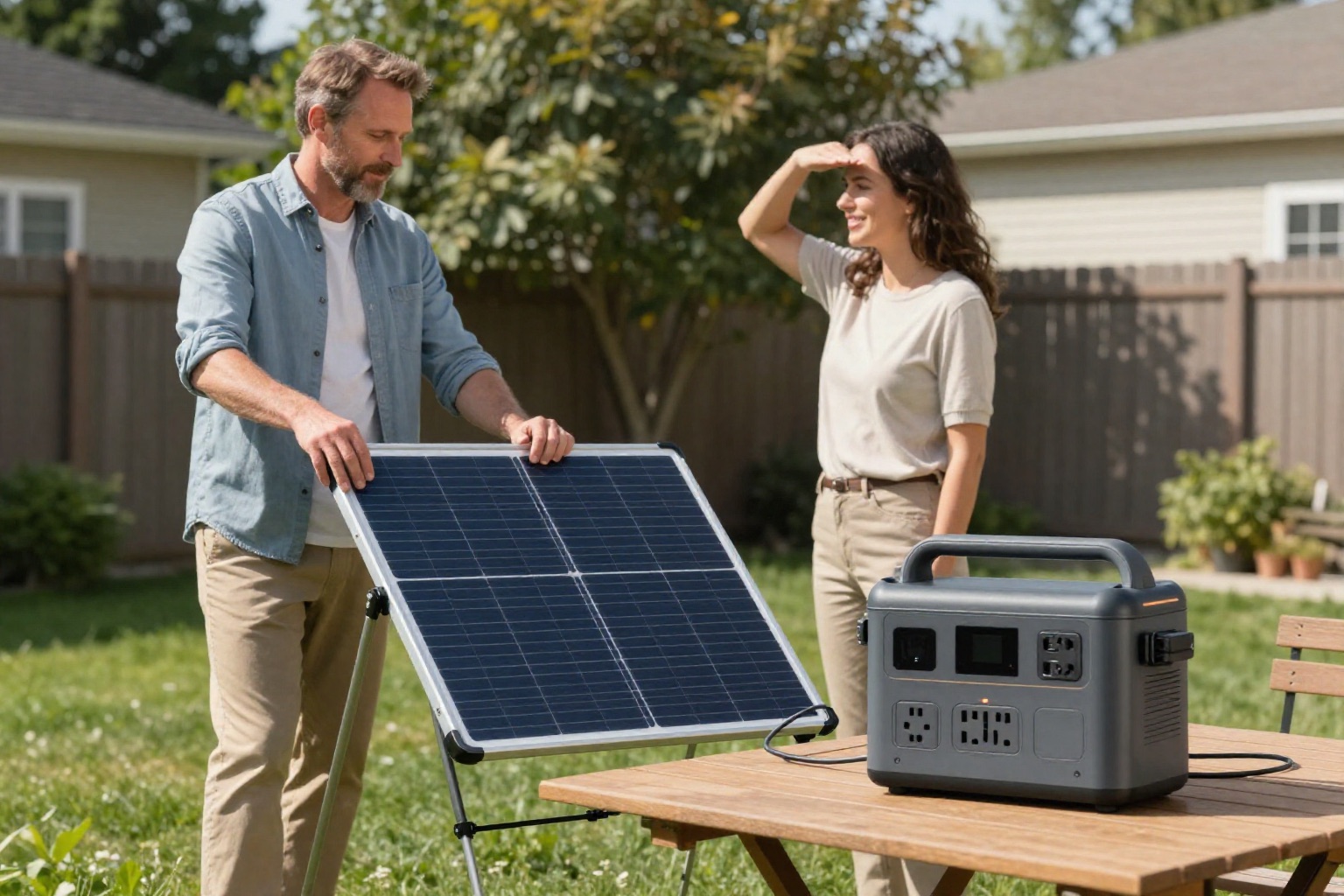 Solar Charging
Solar Panel Compatibility: What to Check Before Charging a Power Station
Compare solar input limits, panel voltage and current, approved cables, environmental conditions, and charging expectations before buying a panel.
Read the guide Battery Technology
LiFePO4 vs. Lithium-Ion: Compare Battery Chemistries Without the False Divide
LiFePO4 is a lithium-ion chemistry. Learn how to compare LFP and NMC power stations using documented cycle life, weight, safety, and storage needs.
Read the guide Home Backup
EPS vs. UPS: Check Transfer Behavior Before Trusting Automatic Backup
Learn why EPS and UPS labels do not establish device compatibility, and what to verify about transfer time, bypass operation, loads, and settings.
Read the guide Camping
 Power Checklist: Plan Devices, Charging, and a Safe Place for the Battery
Build a camping energy budget, check ports and cables, plan for weak solar, and pack a portable power station around real campsite conditions.
Read the guide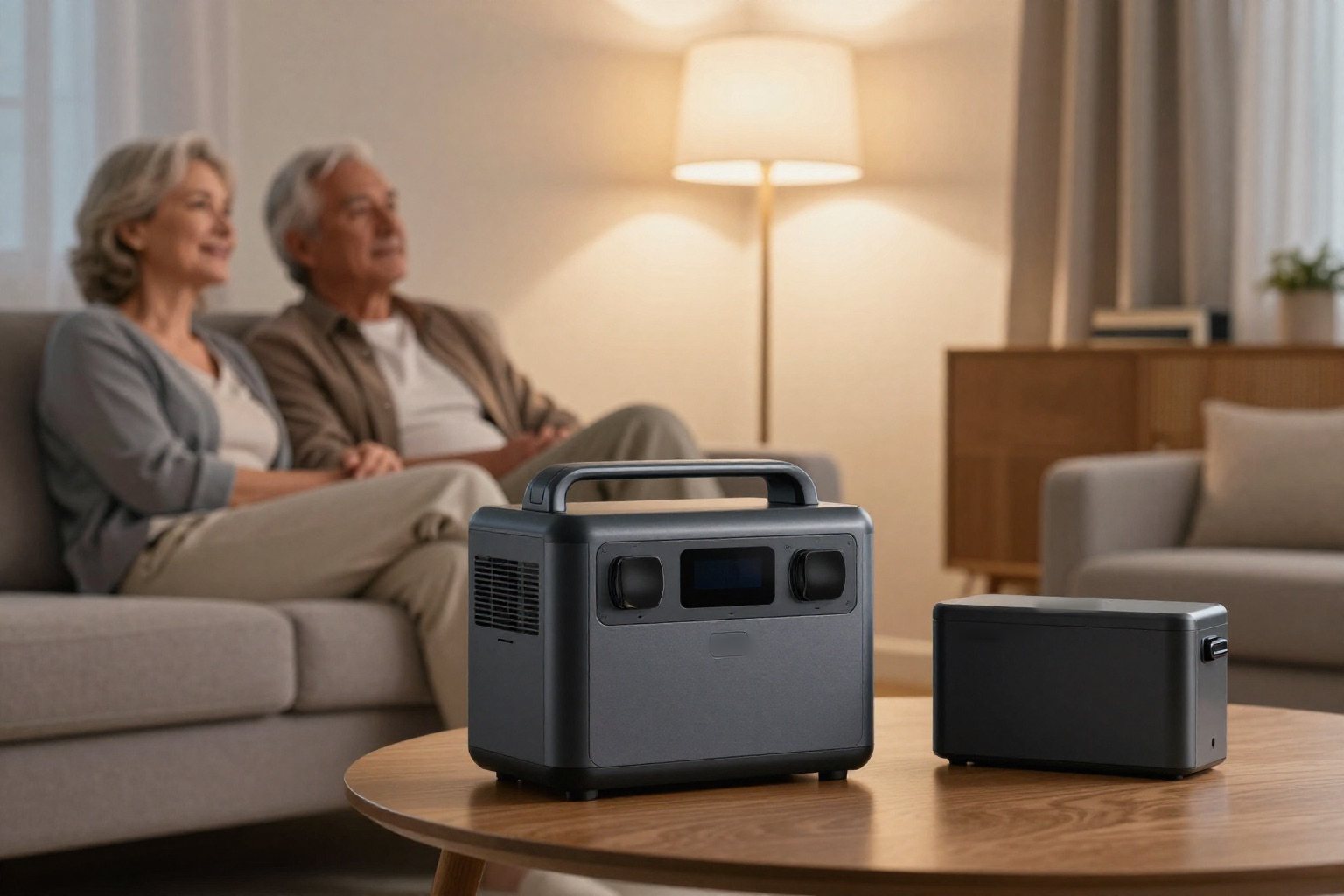 Battery Expansion
Expandable Battery Compatibility: Check the Exact Station, Pack, and Cable
Verify an extra battery by model number, approved cable, system limits, charging plan, and storage requirements before expanding a power station.
Read the guide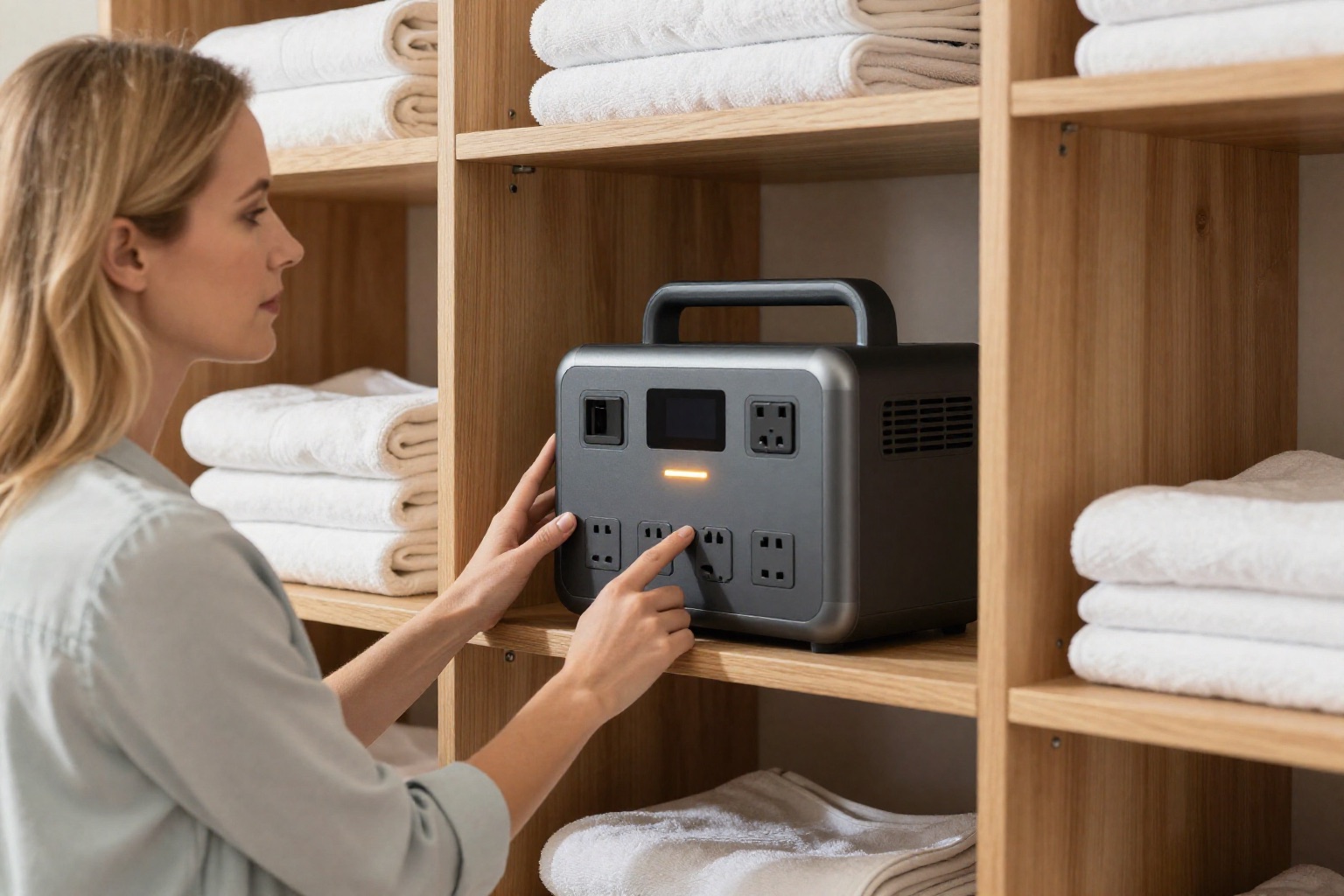 Care and Safety
How to Store a Portable Power Station Without Losing Track of Readiness
Follow model-specific storage charge, temperature, inspection, and maintenance instructions while keeping your backup battery ready for its next use.
Read the guide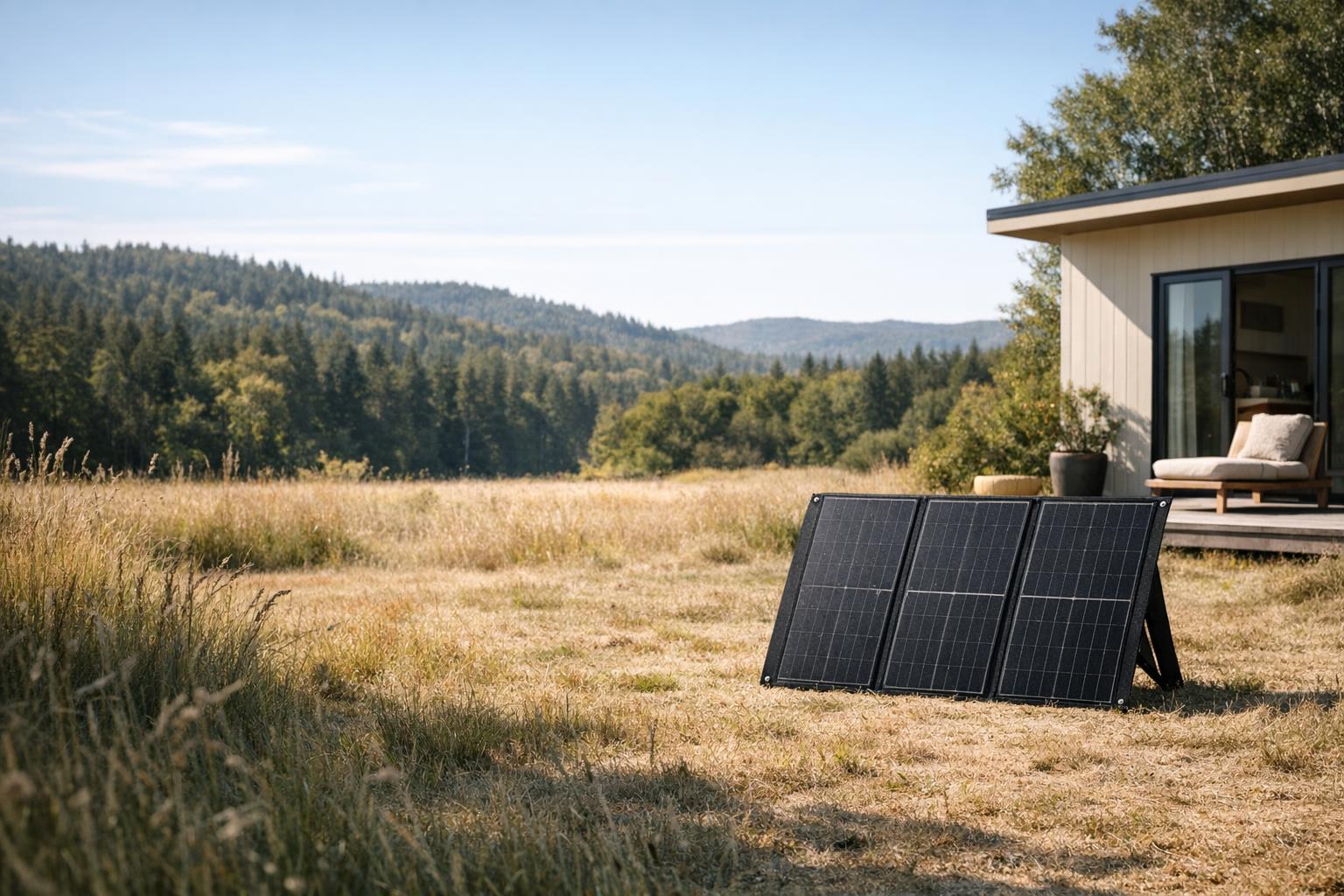 Solar Charging
MC4 to XT60: Connect a Solar Panel to a Power Station
MC4 to XT60 adapters explained: which way the cable goes, the voltage and current limits to check first, and when your station needs another plug.
Read the guide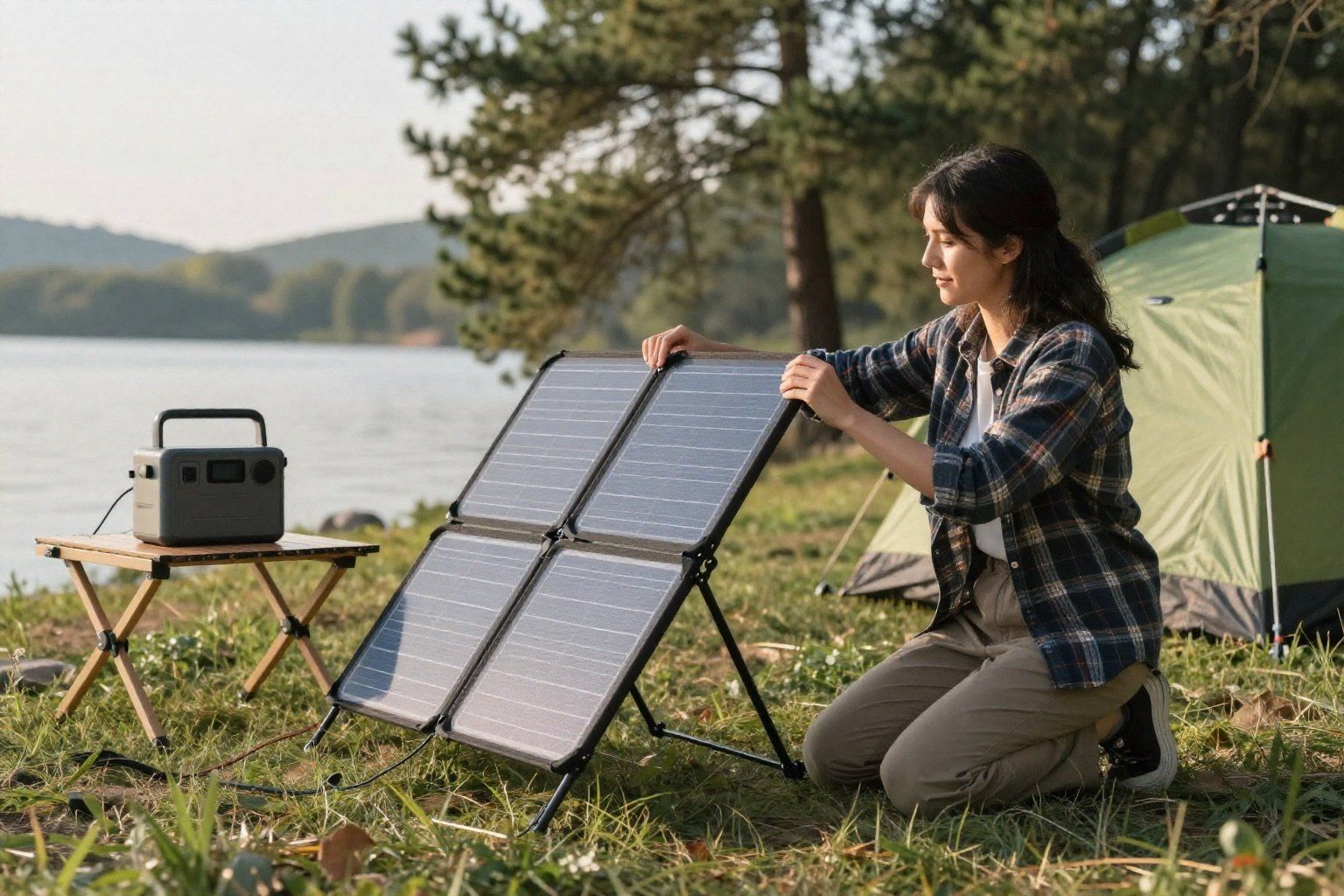 Solar Charging
Jackery Solar Panels: Which SolarSaga Fits Your Explorer
Which Jackery solar panel fits your Explorer: the five SolarSaga panels, DC8020 vs DC7909 plugs, the Explorer 300 catch and the kits worth buying.
Read the guideHow we compare and rate the stations is explained on How we rate. The rest of the team: Our editors.