
Trevor Malone, Solar & charging writer
I write the guides about getting energy back into a station: solar panels, car charging, wall charging, and how all of it works out at a campsite.
Solar causes most of the confusion I see in owner reviews. Someone buys a 400 W panel for a station that accepts 200 W, or wires two panels in series and goes past the voltage limit, and the review says the station is broken. So I read the input section of the manual first: the voltage window, the maximum current, the wattage cap, the connector. Then I check the panel's label figures against it. I'm also the one who keeps asking whether the kit needs an adapter cable that isn't in the box.
I wrote the fridge guide too, because a fridge on battery is mostly a recharging problem. If the compressor uses a kilowatt-hour a day, something has to put that kilowatt-hour back.
For the camping guide I went through what owners say they actually plug in at night (CPAP machines, coolers, phones, a string of lights) and added it up in watt-hours. Then I compare, and flag the mismatches before you pay for them.
Areas of expertise
- Solar input limits: volts, amps and watts
- Matching panels and adapter cables
- Wall and car charging times
- Fridges and coolers off the grid
- Camping power plans
How I work
- I read the solar input window in the manual before I look at any panel.
- I compare the panel's label figures (open-circuit voltage, current, rated watts) with the station's limits and list every adapter the kit needs.
- Charging times come from the manufacturer's stated input, and the guide says which input that is.
- Solar complaints in owner reviews get sorted into wiring mistakes and real faults, because they aren't the same thing.
Articles by Trevor Malone
Written
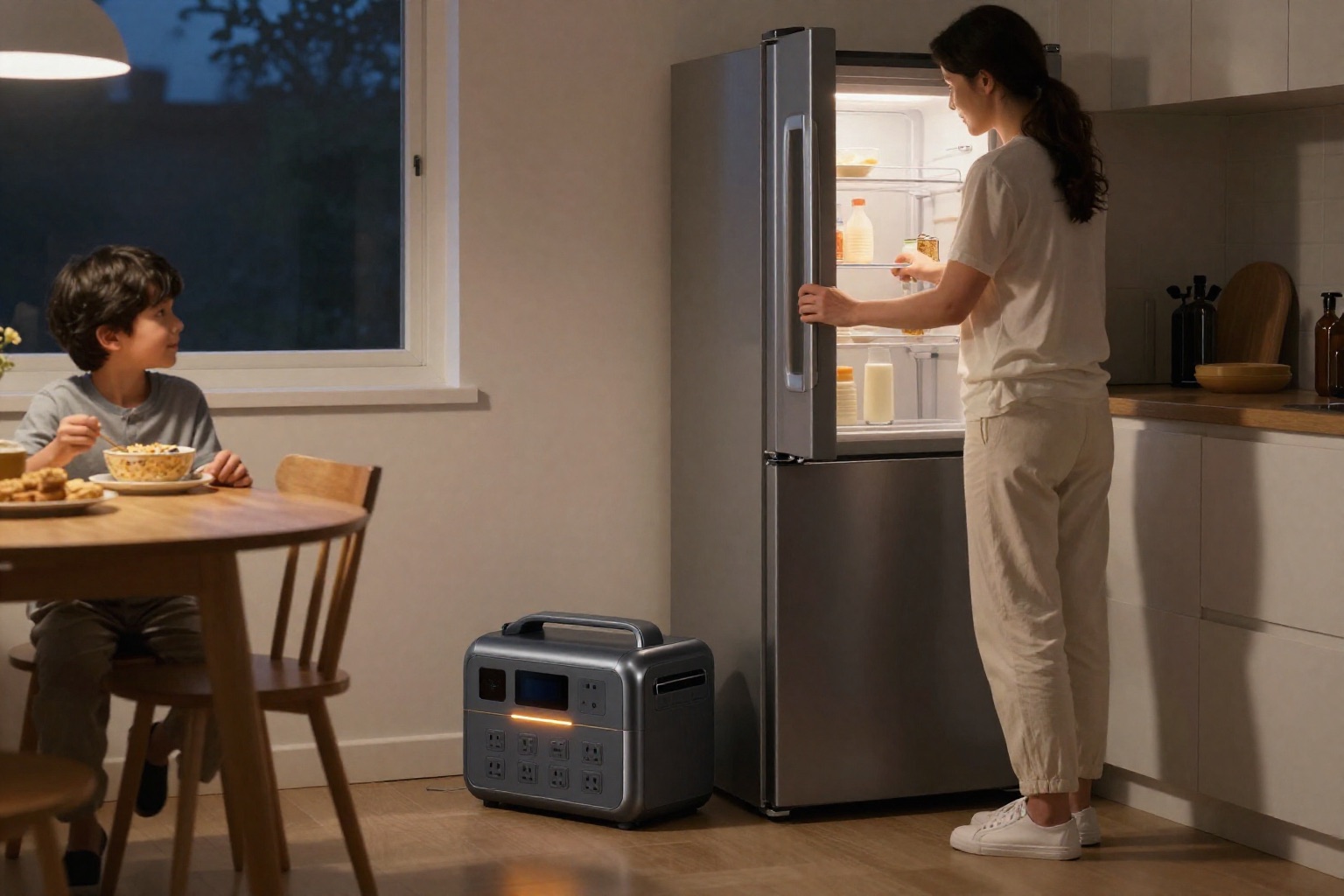 Home Backup
Choosing a Power Station for a Refrigerator: Startup, Cycling, and Runtime
Check your refrigerator's electrical needs, cycling energy use, backup settings, and recharge plan before relying on a portable power station.
Read the guide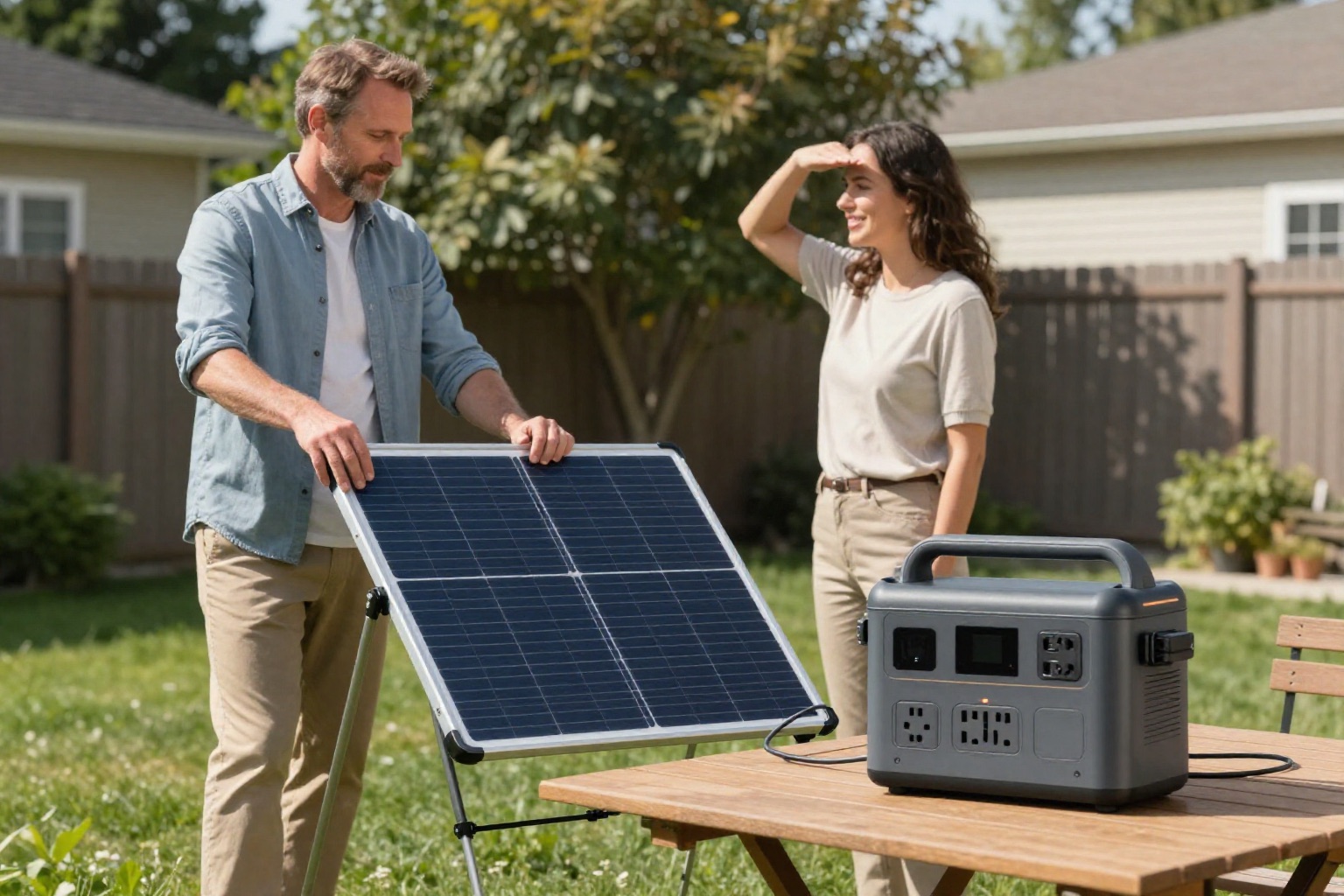 Solar Charging
Solar Panel Compatibility: What to Check Before Charging a Power Station
Compare solar input limits, panel voltage and current, approved cables, environmental conditions, and charging expectations before buying a panel.
Read the guide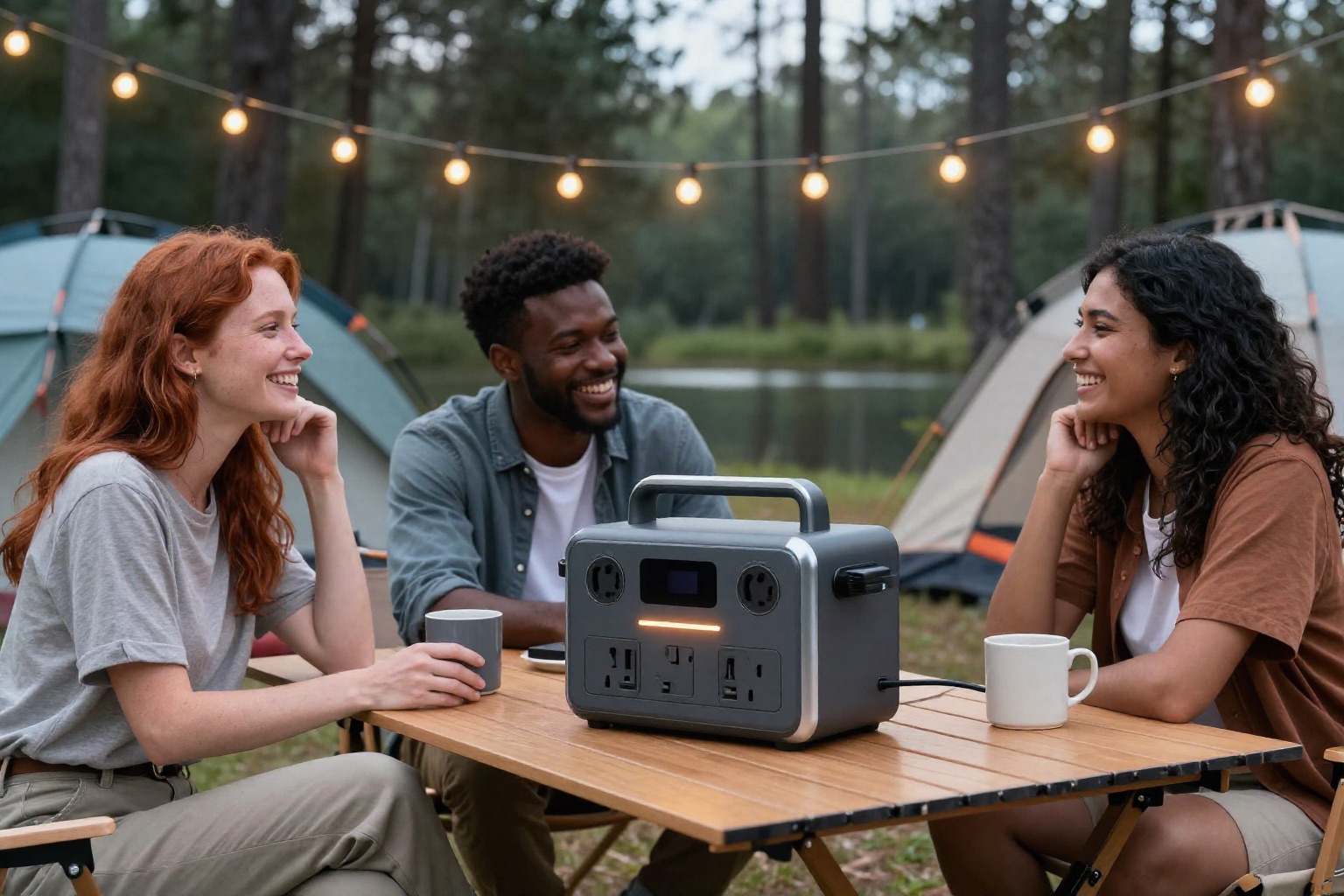 Camping
 Power Checklist: Plan Devices, Charging, and a Safe Place for the Battery
Build a camping energy budget, check ports and cables, plan for weak solar, and pack a portable power station around real campsite conditions.
Read the guide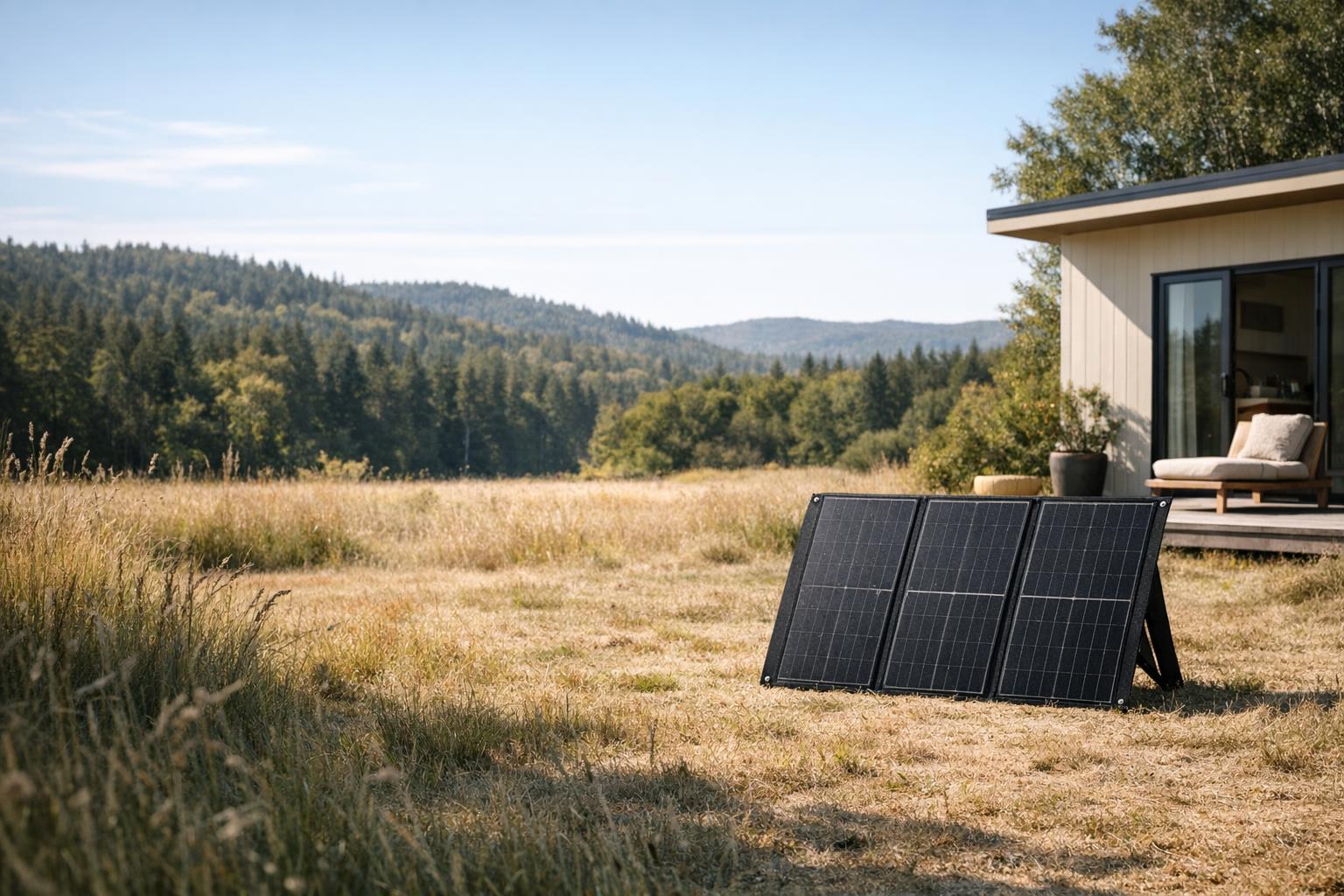 Solar Charging
MC4 to XT60: Connect a Solar Panel to a Power Station
MC4 to XT60 adapters explained: which way the cable goes, the voltage and current limits to check first, and when your station needs another plug.
Read the guide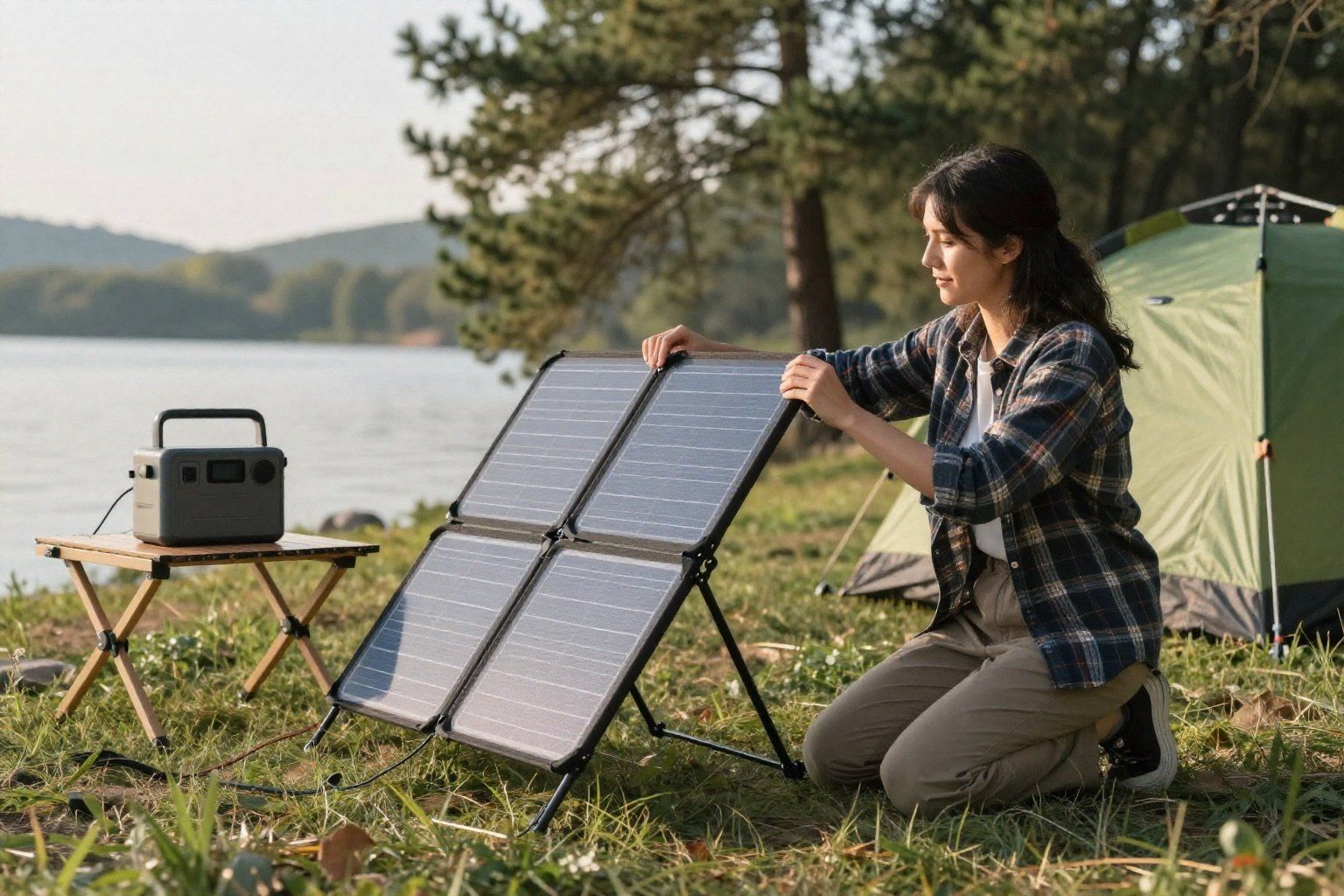 Solar Charging
Jackery Solar Panels: Which SolarSaga Fits Your Explorer
Which Jackery solar panel fits your Explorer: the five SolarSaga panels, DC8020 vs DC7909 plugs, the Explorer 300 catch and the kits worth buying.
Read the guideEdited
 Buying Guides
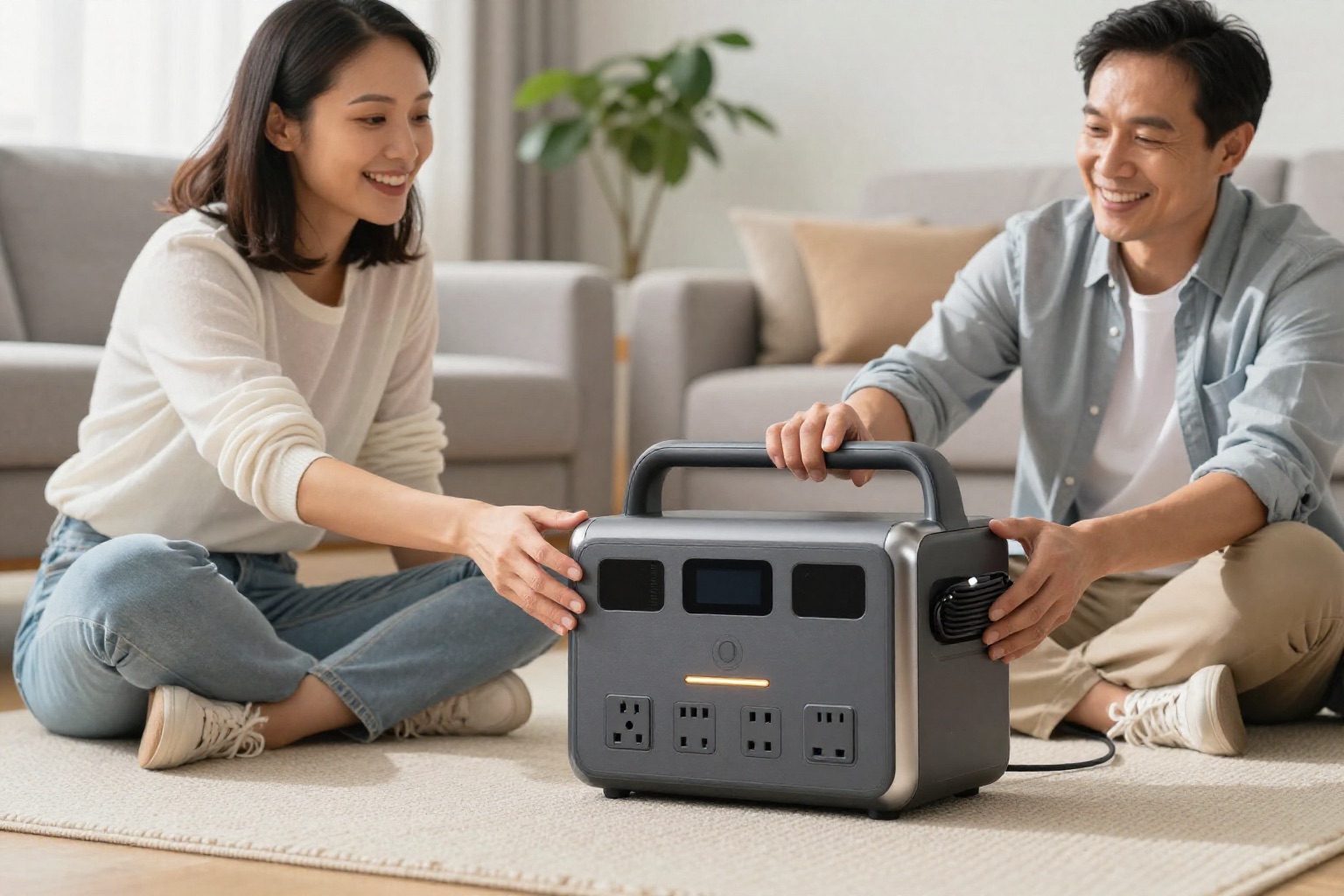
How to Choose a Portable Power Station for the Loads You Actually Need
Choose a portable power station by checking output, stored energy, charging, portability, and operating limits—not just the biggest number on the box.
Read the guide Power Basics
Watts vs. Watt-Hours: Size Power Output and Battery Runtime Separately
Understand W, Wh, and kWh, build an energy budget, and estimate portable power station runtime without confusing battery capacity with output.
Read the guideHow we compare and rate the stations is explained on How we rate. The rest of the team: Our editors.